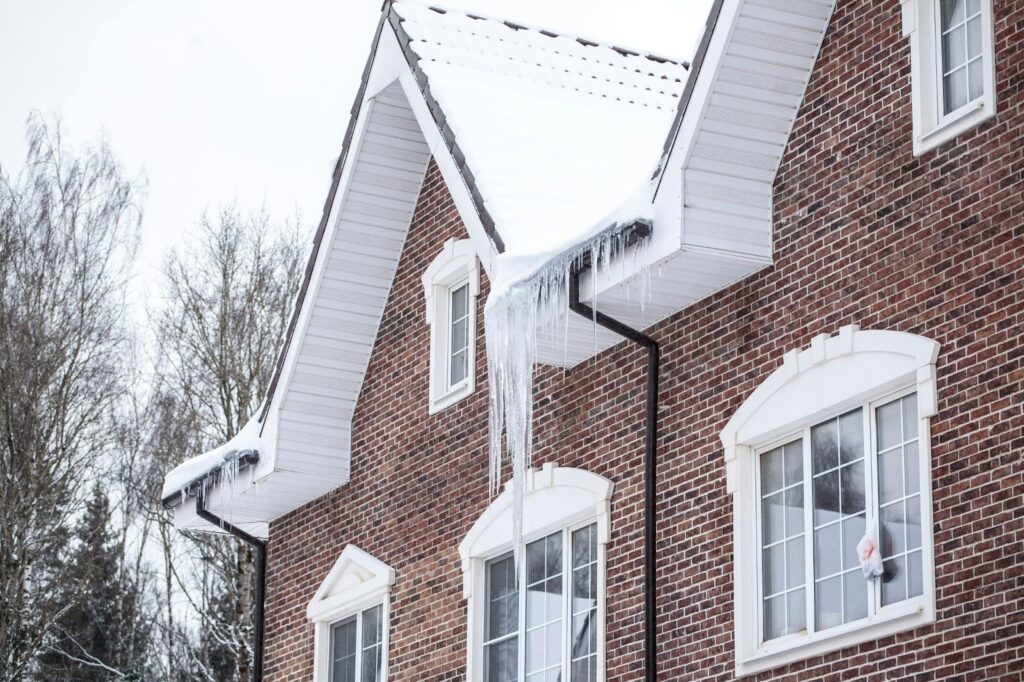
Winter plumbing problems often start quietly, especially once freezing temperatures settle in around Wenatchee. Frozen pipes, water heater strain, slow drains, and hidden leaks tend to develop as cold weather puts added pressure on pipes and fixtures throughout the home. Some issues are manageable early on, while others can lead to water damage if they are missed or handled incorrectly.
Below, you will find the most common winter plumbing problems homeowners face, what typically causes them, and how to recognize when it is time to call a licensed plumber before damage spreads.
Frozen Pipes Are Usually the First Sign of Winter Plumbing Trouble
Frozen pipes are usually one of the earliest indicators that winter conditions are starting to stress a home’s plumbing system. After several cold nights in a row, pipes in crawl spaces, garages, exterior walls, and basements can slowly lose heat until the water inside them begins to freeze. This does not always happen during a single cold night. More often, it builds gradually as temperatures stay low and pipes never fully warm back up, which is why many homeowners are caught off guard when water flow suddenly changes.
Frozen pipes are not just about blocked water flow. When water freezes inside a pipe, it expands and creates pressure along the pipe walls, joints, and fittings. Even if the pipe does not burst right away, that internal pressure can weaken the material enough to cause cracking or leaks once temperatures rise and the ice begins to thaw. This is why frozen pipes frequently lead to water damage hours or even days later, after the immediate cold snap has passed.
Early warning signs are often subtle. A faucet may take longer than usual to start flowing, or water pressure may seem lower at one sink or shower while everything else appears normal. Some homeowners notice that one bathroom or fixture stops working altogether, which is often a sign that a pipe along that specific line is freezing. If a pipe is exposed and only partially frozen, gentle warming may help. Pipes hidden behind walls or ceilings are far riskier, and trying to thaw them quickly or with high heat often causes more damage than the cold itself. When freezing affects multiple fixtures or the pipe cannot be safely reached, calling a licensed plumber for frozen pipe repair is the safest way to prevent a much larger problem.
Burst Pipes Can Cause Serious Damage Very Quickly
Burst pipes are one of the most disruptive winter plumbing problems a homeowner can face, largely because they tend to happen fast and without much warning. In most cases, a pipe freezes quietly, expands under pressure, and then splits when temperatures rise and the ice begins to thaw. By the time water starts flowing again, it may already be escaping through a crack hidden behind a wall, under flooring, or above a ceiling.
What makes burst pipes especially damaging is how quickly water spreads once the pipe fails. Even a small split can release a steady stream of water that soaks drywall, insulation, and flooring before there are any obvious signs. Many homeowners do not realize what is happening until damage has already started to show, which is why burst pipes are often discovered after the fact rather than at the moment they occur.
Some of the most common signs homeowners notice include:
- Water stains that appear suddenly on ceilings or walls, especially in areas that were previously dry
- Carpet, flooring, or baseboards that feel damp with no clear source nearby
- A noticeable drop in water pressure throughout the home, which can indicate water escaping somewhere along the plumbing system
If you suspect a burst pipe, shutting off the main water supply immediately is one of the most important steps you can take. That action alone can significantly limit damage. Repairing the pipe itself should always be handled by a licensed plumber, since proper repairs often involve more than fixing the visible break. Nearby sections of pipe may have been weakened by the same freezing conditions, and addressing those areas early helps prevent repeat problems later in the winter.
Water Heaters Work Harder During Winter Months
Cold weather places steady pressure on a home’s water heater, often without homeowners realizing it right away. As temperatures drop, the water entering the system is much colder, which means the heater has to run longer just to reach normal hot water temperatures. At the same time, hot water use usually increases as people spend more time indoors, creating a cycle of heavier demand that continues throughout the season.
One of the first changes many homeowners notice is that hot water does not last as long as it used to. Showers may turn lukewarm faster, or running multiple fixtures at once becomes more difficult. This is often caused by sediment buildup at the bottom of the tank, which reduces capacity and makes it harder for the system to heat water efficiently.
Unusual noises are another common winter complaint. Popping, rumbling, or banging sounds can occur when sediment hardens and traps water underneath it, forcing the heating elements to work harder. These sounds are not just annoying. Over time, they can signal increased wear on internal components.
Moisture, rust, or corrosion around valves and fittings should never be ignored. Cold weather can worsen small leaks and weaken aging parts, increasing the risk of failure when the system is under peak demand. While these issues do not always mean replacement is needed, professional water heater repair service at the first sign of trouble can improve efficiency, extend the life of the unit, and reduce the chance of losing hot water during the coldest part of winter.
Winter Drain and Sewer Problems Often Build Slowly
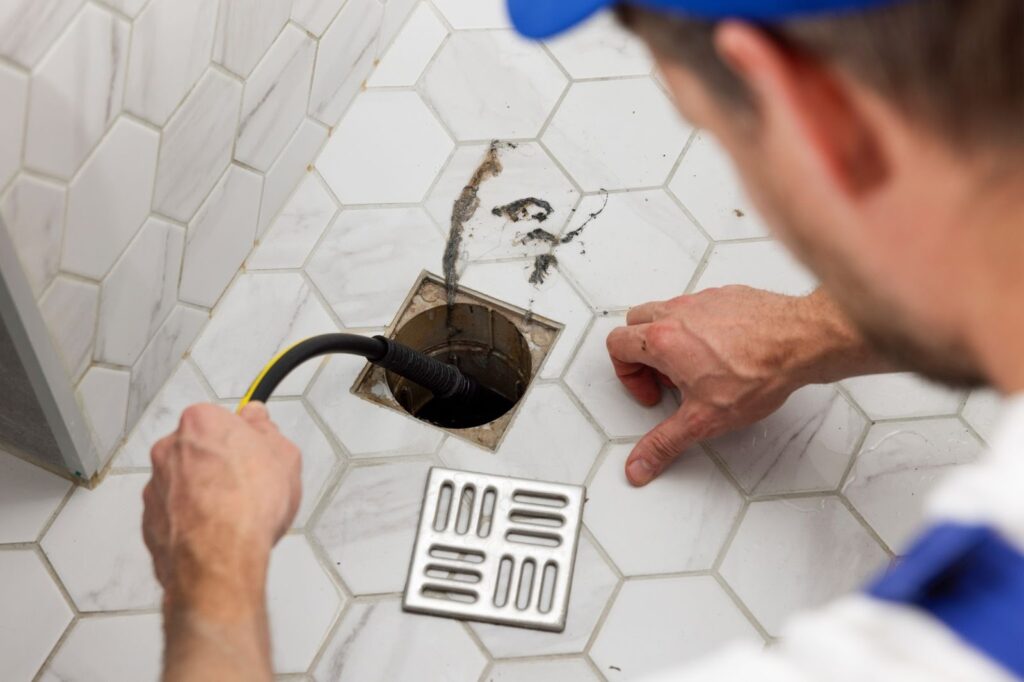
Drain and sewer problems are easy to miss in winter because they usually do not start with a full blockage. Cold temperatures cause grease, soap residue, and everyday buildup inside pipes to harden faster than they do in warmer months. Over time, that buildup narrows the inside of the pipe and slows everything down. Many homeowners first notice that sinks take longer to drain, toilets gurgle after flushing, or faint odors start coming from drains, even though nothing has fully backed up yet.
When those early signs are ignored, winter conditions tend to make the problem worse instead of better. Slower drainage throughout the house or repeated clogs often mean buildup is forming deeper in the system. If a backup happens once the ground is frozen, repairs become more disruptive and more stressful than they need to be. Addressing drain and sewer issues early helps keep wastewater moving properly and reduces the risk of a much larger problem later in the season.
Outdoor Plumbing Problems that Often Go Unnoticed in Winter
Outdoor faucets and exterior plumbing are especially vulnerable during winter because they are directly exposed to cold air. Even when hoses are disconnected, water can remain trapped inside the line. When that water freezes, it expands and can damage the pipe inside the wall, not just the faucet itself. Because the damage often happens out of sight, there is usually no obvious sign right away that anything is wrong.
Instead of seeing a leak outside, many homeowners first notice the effects indoors. Water stains near exterior walls, damp drywall, or unexplained moisture around baseboards can all point to freeze damage in an exterior line. These signs are easy to misinterpret at first, especially if they appear gradually.
Hidden leaks can continue quietly for weeks or even months, causing damage long after the cold weather has passed.
Having exterior plumbing checked after freezing weather helps catch these problems early and can prevent much more extensive interior repairs later on.
Sump Pumps Play a Bigger Role During Winter
Winter conditions can create water management challenges that are easy to underestimate. Snow buildup, frozen ground, and limited drainage paths all change how water moves around a home. During these months, a sump pump often becomes the primary line of defense against moisture collecting near the foundation, even if the home has not had water issues in the past.
A sump pump does not have to fail completely to cause serious moisture problems. In many cases, it still runs but cannot keep up with changing winter conditions. When that happens, water can begin to collect slowly, leading to damp basement floors, lingering humidity, or pressure that affects nearby plumbing. These issues often develop quietly and are easy to dismiss until visible damage appears.
Standing water near the sump pit, unusual noises during operation, or damp areas during snowmelt are all signs the system may need attention. Winter is not the time to ignore those warnings. Making sure the sump pump is working properly helps protect the foundation, reduces excess moisture, and supports the rest of the home’s plumbing system, especially when professional plumbing services are needed during winter.
Knowing When to Call a Plumber Makes Winter Easier
One of the hardest parts of dealing with winter plumbing problems is knowing when to stop monitoring an issue and start taking action. Cold weather has a way of turning small concerns into bigger ones, especially when pipes, drains, or equipment are already under stress. Waiting too long can allow damage to spread quietly, while acting early often keeps repairs simpler and less disruptive.
It is usually time to call a plumber if you notice any of the following:
- Frozen or burst pipes, even if water flow returns on its own
- Repeated drops in water pressure or fixtures that stop working unexpectedly
- Water stains, damp areas, or musty odors that do not have an obvious source
- Drain backups or slow drainage affecting more than one fixture
- A water heater that struggles to keep up or behaves differently than usual
Trying to solve winter plumbing problems without the right tools can make things worse. Avoid using open flames or high heat to thaw pipes, as these methods are unsafe and often cause additional damage. A licensed plumber has the experience and equipment to address winter plumbing issues safely, identify underlying problems, and help prevent repeat issues as cold weather continues.
Get Help With Winter Plumbing Problems in Wenatchee
Winter has a way of exposing weak points in plumbing systems once freezing temperatures settle in. Issues that seem manageable earlier in the season can escalate quickly if they are left unaddressed, which is why having experienced help matters when winter plumbing problems show up. A&N Plumbing & More has been helping homeowners across North Central Washington since 2015, with a licensed team that understands how winter conditions affect plumbing systems in homes of all ages. That experience allows problems to be identified early and repaired in a way that holds up through the season.
If something does not feel right with your plumbing or want professional guidance before issues get worse, call (509) 888-1933 to schedule plumbing service and protect your home.