Call for Conditions & Restrictions

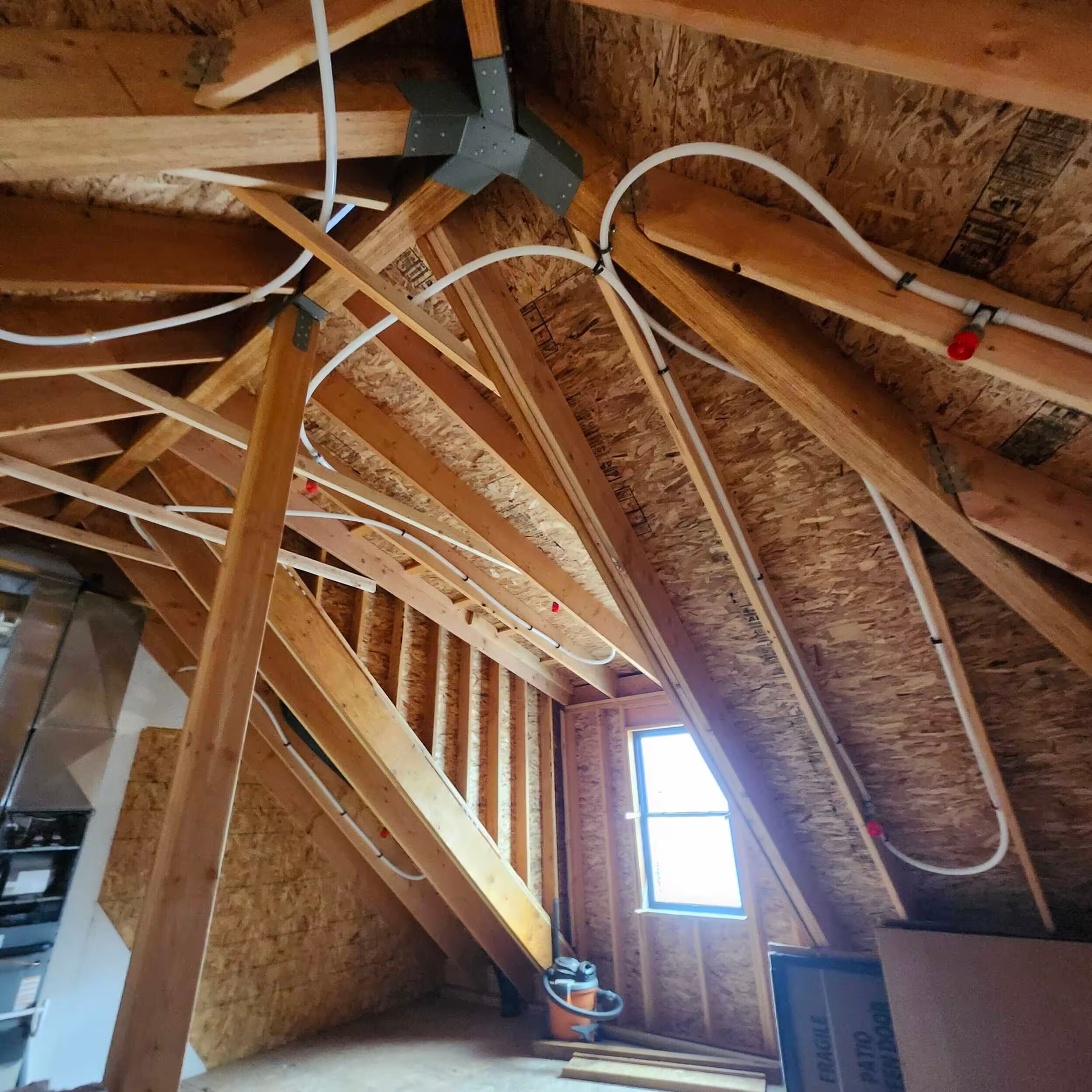
Fire protection in a home should be planned as part of the overall water system rather than treated as a separate utility. A&N Fire Suppression designs and installs systems that connect directly to the home’s potable water supply and are incorporated into the plumbing layout during construction. These residential fire suppression systems use a flow through design that allows fire protection piping to function as part of the home’s everyday water distribution. Because residential fire suppression requires licensing separate from standard plumbing work, installation is performed by properly licensed professionals experienced in coordinating fire protection with full residential plumbing systems.
Residential fire suppression systems are designed to activate automatically in the presence of heat from a fire while remaining inactive during normal household use. In residential construction, these systems are incorporated into the home’s water distribution network during the plumbing phase.
Key features of residential fire suppression systems include:
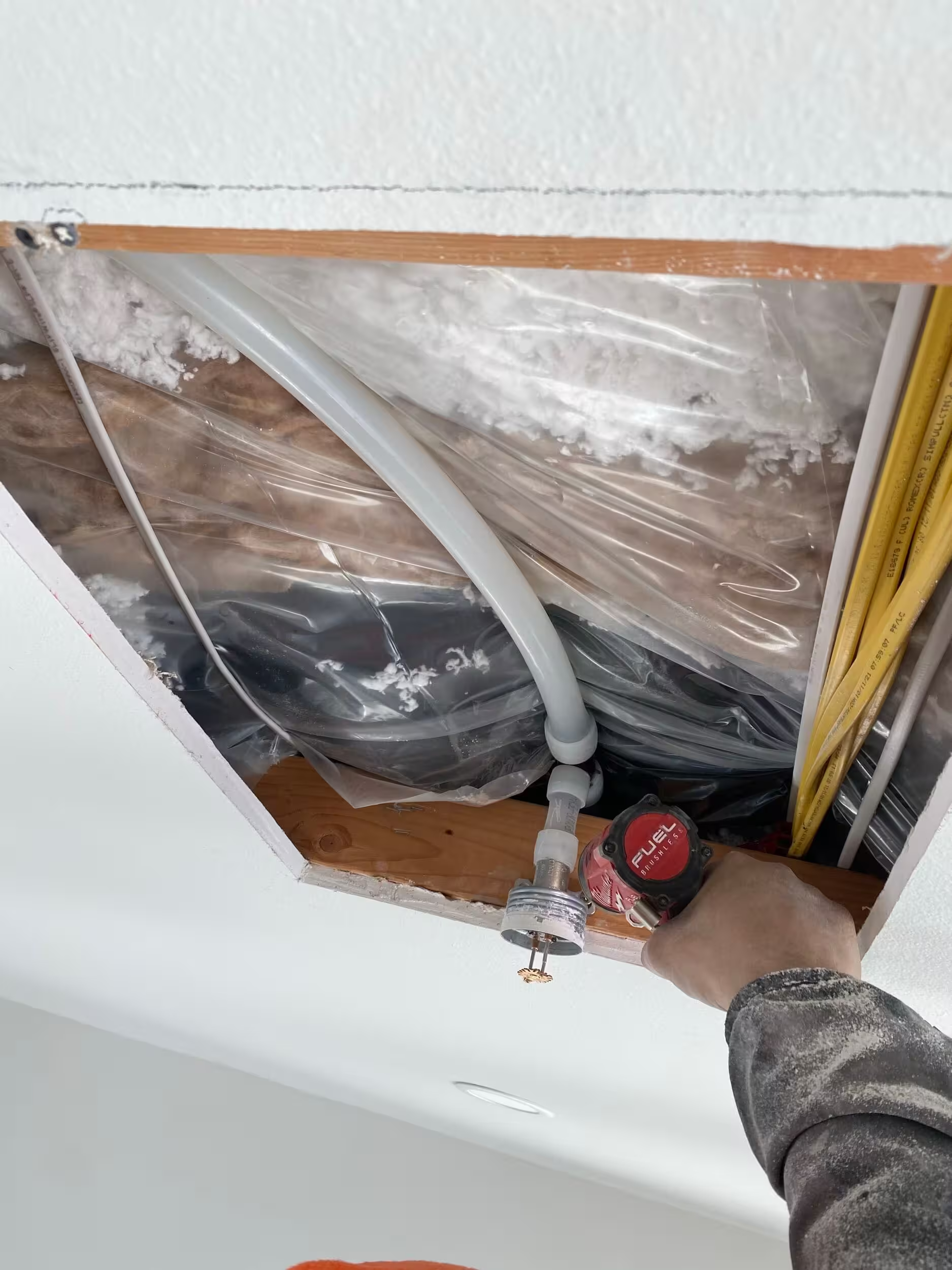
Because the system is incorporated into the home’s plumbing infrastructure, early planning and coordinated installation are important for proper performance. System design and installation requirements vary based on the home’s layout and local regulations, so it is important to work with a licensed plumbing professional who is also properly licensed to perform residential fire suppression installation.
Integrated fire protection in a home begins during the construction phase, when the residential fire sprinkler system is planned alongside the plumbing layout. These fire suppression systems use a flow through connection to the potable water supply, allowing the piping to function as part of the overall residential plumbing system without requiring an isolated fire service connection. Proper coordination during installation helps maintain system balance while incorporating fire protection directly into the home’s water distribution network.
Fire suppression planning is most effective when it is incorporated into the plumbing design during the early stages of construction. Because the system connects directly to the home’s potable water supply, coordination during layout and rough work is important.
Residential fire suppression systems are typically installed in the following situations:
Although retrofit installation may be possible in some homes, incorporating fire suppression during the original plumbing installation typically allows for more coordinated system design.
Residential fire suppression requires licensing that is separate from standard plumbing work. Not every plumbing contractor is permitted to design and install these systems, which is why proper credentials, planning, and coordination matter when incorporating fire protection into a new home.
A&N Fire Suppression holds the required licensing to install residential fire suppression systems and regularly coordinates this work with homeowners, builders, and other plumbing professionals throughout the region. Because fire suppression interacts with the home’s water supply and pressure system, experience in both plumbing and fire suppression installation supports coordinated design and installation.
A residential fire sprinkler system must be designed to function within the home’s plumbing network, not apart from it. Because these fire suppression systems draw from the potable water supply, layout, pipe sizing, and pressure considerations are addressed during the planning stage of construction to support balanced water distribution throughout the home.
Fire protection piping must be coordinated with the home’s water distribution system to maintain proper flow and pressure balance. Flow through residential fire suppression systems perform best when incorporated into the plumbing design from the start.
A&N Fire Suppression plans each residential fire suppression installation with system integration in mind. Routing sprinkler lines, connecting to the main water supply, and configuring the home fire protection system are all handled with attention to plumbing performance and water delivery requirements, so fire protection is incorporated without disrupting everyday use.
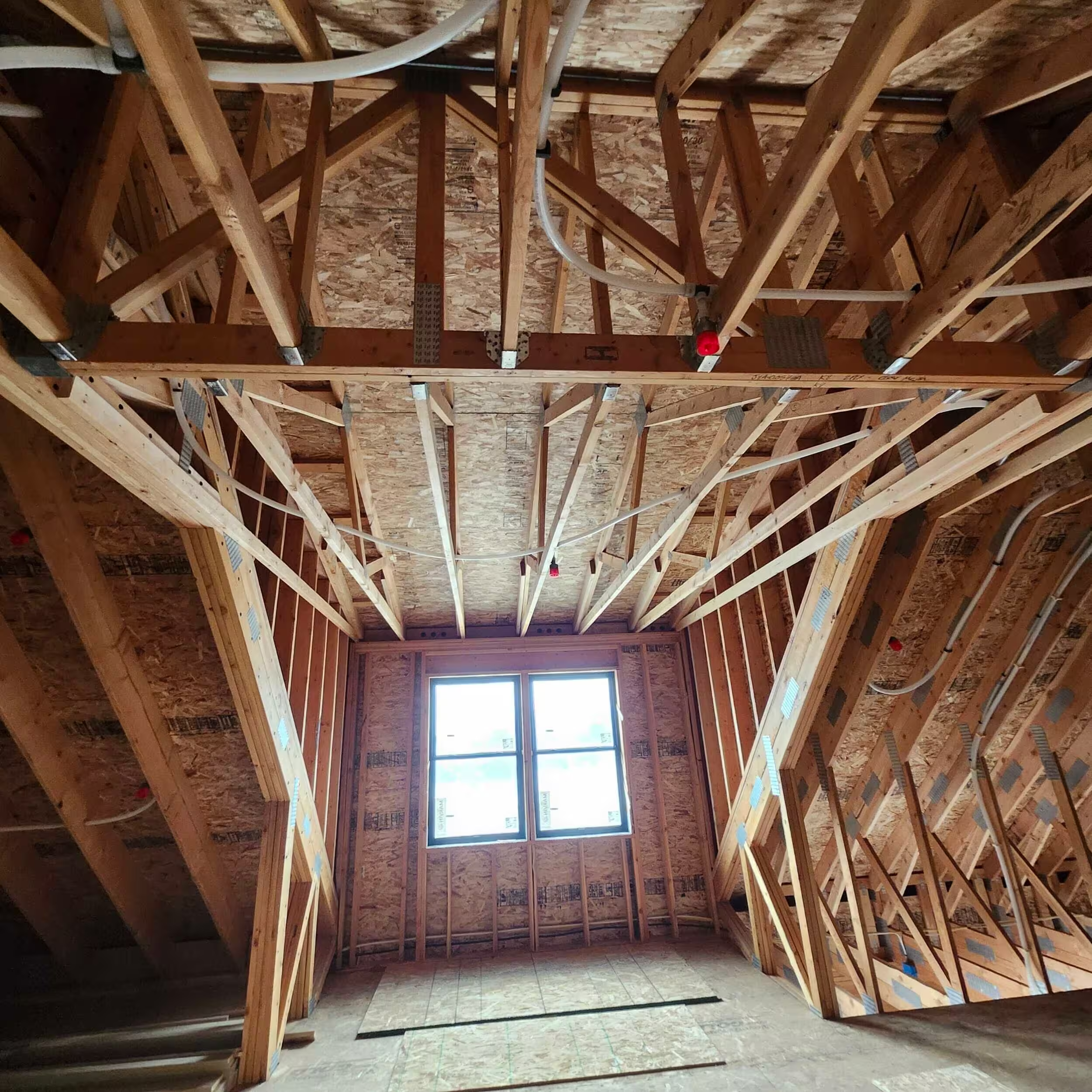
Planning residential fire suppression during the early stages of construction allows the system to be incorporated properly into the home’s plumbing layout. Whether you are building a new home, managing a custom project, or coordinating with other trades, working with a qualified installer helps ensure the fire protection system is designed and installed with care.
A&N Fire Suppression provides residential fire suppression installation in Wenatchee and surrounding North Central Washington communities. To discuss your project or request a consultation, contact our team directly.

No. Residential fire suppression systems are built specifically for homes, not commercial buildings. Commercial systems usually require separate fire lines and more complex backflow protection. Residential systems are designed to integrate directly into a home’s plumbing system and potable water supply, making them more streamlined for single family construction.
Yes, it connects directly to your potable water supply. Most residential fire suppression systems use a flow through design, meaning the same water that supplies your sinks and showers also supplies the sprinkler piping. Because the system ties into your main water distribution, it is installed with the same care as other critical components such as your water line system.
Sometimes, but residential fire suppression systems are most often installed during new construction.Because it integrates with the plumbing layout, installing it while the home is being built allows for cleaner routing. Retrofitting may require opening walls or ceilings.
No. Residential fire suppression installation requires a separate license beyond standard plumbing certification. Many plumbers do not carry that credential. As a result, licensed contractors like A&N Fire Suppression are often brought in by homeowners, builders, and even other plumbing companies when a residential fire suppression system is part of the project scope.
It depends on the property location and building requirements. In parts of Wenatchee and nearby communities, residential fire suppression systems may be required due to access, hydrant distance, or subdivision rules.