In most homes, serious plumbing problems do not begin with a sudden leak or broken pipe. They tend to build gradually through small changes that are easy to overlook at first. A drain may start running slower than usual. Water pressure might shift slightly. You may notice a faint odor near a sink or moisture where it has never appeared before.
Those early warning signs of serious plumbing problems are often the system’s way of showing that something underneath the surface is changing. Hidden leaks, pipe wear, and buildup inside drain lines typically develop over time, not all at once. Recognizing those subtle shifts early can help prevent the issue from spreading into larger repairs or water damage later on.
Why Early Plumbing Warning Signs Should Never Be Ignored
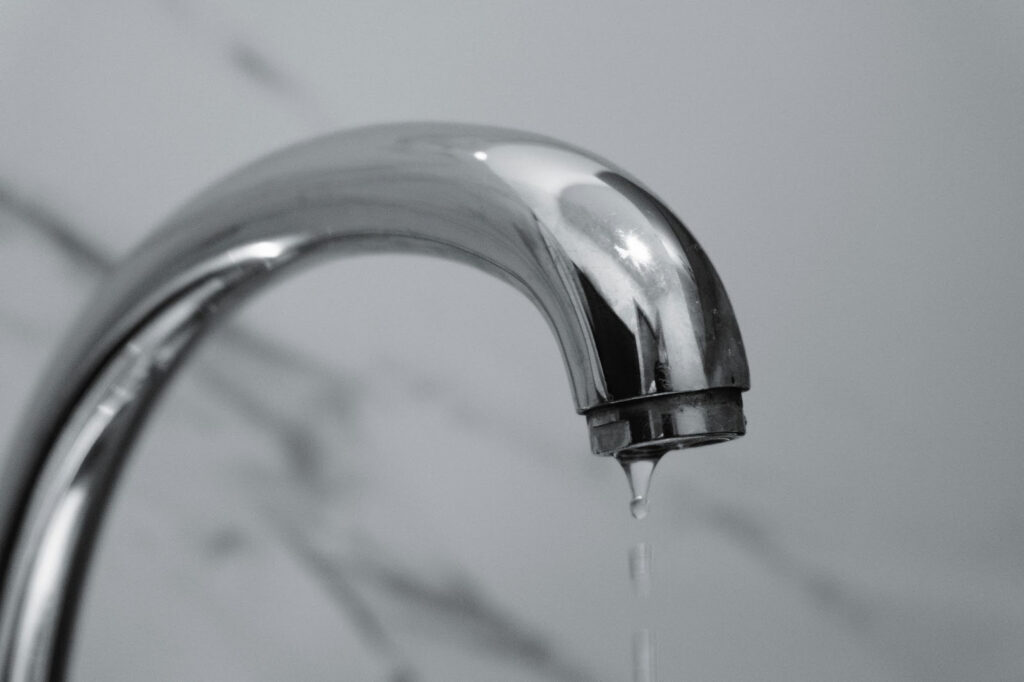
Plumbing systems operate under constant pressure and temperature changes, even when everything seems normal. When performance shifts, whether through inconsistent flow, recurring drain issues, or moisture in unexpected areas, it usually means part of the system is compensating for a developing problem. Pipes do not typically fail without progression. Connections loosen gradually, corrosion narrows interior pipe walls over time, and minor drain restrictions increase pressure where it should not build. Ignoring these early changes allows that progression to continue, which can affect more than one area of the home before the root cause is identified.
Most serious plumbing failures are the result of issues that developed quietly over time. Addressing changes early keeps the system stable and prevents localized problems from spreading into larger repairs.
The Most Common Early Warning Signs of Serious Plumbing Problems
Some plumbing issues are immediately noticeable, while others develop gradually and blend into daily routines. These are some of the most common plumbing problem warning signs homeowners experience before serious plumbing issues fully surface.
Slow or Frequently Clogged Drains
A drain that slows down occasionally might not seem urgent, but recurring slow drainage usually points to buildup forming farther down the line. When multiple fixtures begin draining slowly, it may indicate a developing issue in the main drain or sewer line rather than a simple surface clog. Among common plumbing problems in homes, repeat drain issues are often an early signal of a larger obstruction.
Unexplained Increases in Water Bills
If your water usage has not changed but your bill has, hidden plumbing leaks are often the cause. Small leaks behind walls, beneath flooring, or under slabs can waste water steadily without any visible pooling. An unexplained increase in usage is frequently one of the earliest warning signs of a concealed leak within the system.
Low or Fluctuating Water Pressure
Inconsistent pressure throughout the home can indicate mineral buildup, pipe corrosion, or an active leak affecting flow. When pressure drops are not isolated to a single fixture, it often suggests the issue extends deeper into the plumbing system and may require professional evaluation.
Unusual Noises in Pipes
Plumbing systems are not designed to bang, whistle, or gurgle. These sounds can point to air trapped in lines, unsecured piping, pressure irregularities, or early water hammer conditions. Over time, these stresses can contribute to loose fittings or weakened connections.
Water Stains or Discoloration
Discoloration on ceilings, walls, cabinetry, or flooring usually signals moisture migrating from an active leak. Even faint staining can indicate a hidden plumbing problem that has been present longer than expected. Visible water marks are rarely the beginning of a leak, but rather the result of one that has progressed.
Musty or Sewer-Like Odors
Persistent musty smells or sewer odors inside the home can signal slow leaks, drain buildup, or venting issues. Sewer gas escaping from damaged pipes or dried traps is not only unpleasant but also a sign that part of the drainage system is not functioning properly. Odors are often one of the more overlooked early plumbing warning signs.
When several of these plumbing problem warning signs appear together, the issue typically extends beyond a single fixture, and professional plumbing services are needed to evaluate the full system and relieve the pressure or restriction causing the imbalance.
Plumbing Issues That Look Minor but Often Point to Bigger Problems
Not every serious plumbing issue begins with visible damage or sudden failure. Many common plumbing problems start as subtle performance changes that suggest internal strain within the system. The concern is rarely the isolated symptom itself, but what it reveals about pressure balance, drainage flow, or pipe condition beneath the surface.
Some of the most overlooked plumbing warning signs include:
- Recurring clogs in the same drain: When a sink or tub backs up repeatedly, the restriction is often forming deeper within the drain line rather than at the fixture itself. Clearing surface debris may restore flow temporarily, but narrowing inside the pipe can continue to progress. In some cases, this points to issues that require expert drain cleaning and clearing instead of repeated temporary fixes.
- Intermittent odors near sinks or floor drains: Faint sewer smells or musty air may be tied to partial blockages, venting concerns, or small hidden leaks within the drainage system. Odors are often one of the earliest warning signs of plumbing issues developing behind walls or beneath flooring.
- Gradual, consistent drops in water pressure: A slow decline in pressure throughout the home can indicate mineral buildup, pipe corrosion, or a leak affecting system balance. When pressure loss extends beyond one fixture, it may signal conditions that require evaluation of the home’s pipe and water line repair.
- Small damp spots that reappear in the same area: Damp drywall, cabinetry, or flooring that repeatedly shows signs of moisture can signal a slow plumbing leak. These leaks may not create immediate pooling but can compromise surrounding materials over time and increase the risk of mold growth if not addressed.
Because these symptoms do not always interrupt daily routines, they are easy to dismiss. Over time, however, they can develop into serious plumbing problems that affect multiple fixtures or structural areas of the home.
How Fast Do Plumbing Problems Get Worse?
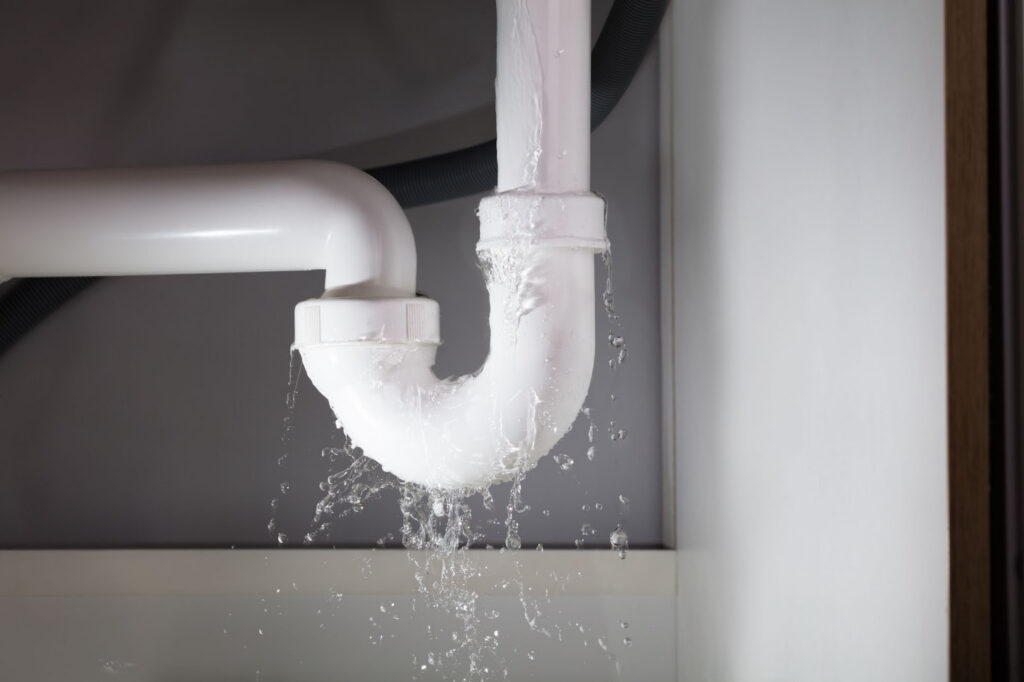
How quickly a plumbing problem worsens depends on the cause, but noticeable changes usually mean the issue is already progressing. A slow drip may remain hidden for a time before staining drywall or softening cabinetry. A partially restricted drain can function normally for weeks, then back up once buildup reaches a tipping point.
Corrosion inside aging pipes does not reverse. As the interior narrows, water flow becomes less efficient and pressure shifts place added strain on fittings and connections. Small leaks tend to expand gradually, especially when daily water use keeps the affected area damp.
Some plumbing problems worsen steadily over time. Others appear manageable right up until the moment they interrupt multiple fixtures at once or create visible damage inside the home. Responding when the first warning signs appear gives you more control over the repair process and significantly reduces the likelihood of hidden deterioration spreading to framing, cabinetry, subflooring, or flooring before the source is properly identified and corrected.
What Homeowners Should Do When Plumbing Warning Signs Appear
Not every plumbing concern requires immediate emergency service, but recurring warning signs should not be ignored. Small changes in drainage, pressure, or moisture often indicate that part of the system is compensating for a deeper issue. The goal is not to react impulsively, but to respond early enough to prevent additional strain.
When warning signs persist or begin affecting more than one area of the home, a professional evaluation helps determine whether pressure imbalance, restricted drainage, or pipe wear is contributing to the issue.
- Watch for repeated or spreading symptoms
If slow drains, pressure changes, or moisture concerns begin showing up in more than one location, the issue is likely extending beyond a single fixture. - Avoid relying on short-term fixes
Chemical drain cleaners, repeated plunging, or patching visible leaks may offer temporary relief but rarely resolve the underlying cause. - Schedule a professional evaluation when issues persist
If warning signs continue returning or gradually worsen, a licensed plumber can assess the system and determine whether pressure balance, drainage flow, or pipe condition needs attention.
Taking action while symptoms are still manageable helps protect surrounding materials and limits the overall scope of repair. Early attention can prevent moisture from spreading, pressure imbalances from affecting additional fixtures, and small leaks from weakening nearby structural components. Addressing issues at this stage keeps the plumbing system stable and reduces the likelihood of more disruptive work later.
When a Plumbing Issue Becomes a Serious Problem
A plumbing issue becomes serious when it begins affecting more than one part of the system or when damage is no longer limited to a single fixture. What may start as a slow drain, minor pressure shift, or small leak can cross into serious territory once moisture spreads into surrounding materials or flow becomes restricted throughout the home. At that point, the concern is no longer just about restoring function. It is about preventing structural impact and protecting the integrity of the plumbing system as a whole.
Serious plumbing problems usually show up through patterns rather than isolated symptoms. Repeated backups, ongoing pressure loss, expanding water stains, or sudden performance changes often mean the issue has moved beyond a simple repair. In cases where underground or in-wall piping has deteriorated, expert-led solutions such as pipe lining services may be recommended to restore structural integrity without full pipe replacement. Recognizing that shift early helps limit repair scope and reduces the risk of damage spreading into walls, cabinetry, or flooring.
Get Plumbing Issues Checked Before They Turn Into Major Repairs
Most homeowners do not think about their plumbing until something forces their attention. The advantage of recognizing changes early is simple: you stay in control of the repair instead of reacting to damage after it spreads.
A&N Plumbing & More works with homeowners across North Central Washington to evaluate plumbing systems thoroughly and address issues at their source. When a drain slows, pressure changes, or moisture appears where it should not, having the system assessed early keeps repairs straightforward and protects the long term reliability of your home’s plumbing.
Call (509) 888-1933 to schedule a plumbing inspection and move forward with clarity before small issues become larger repairs.