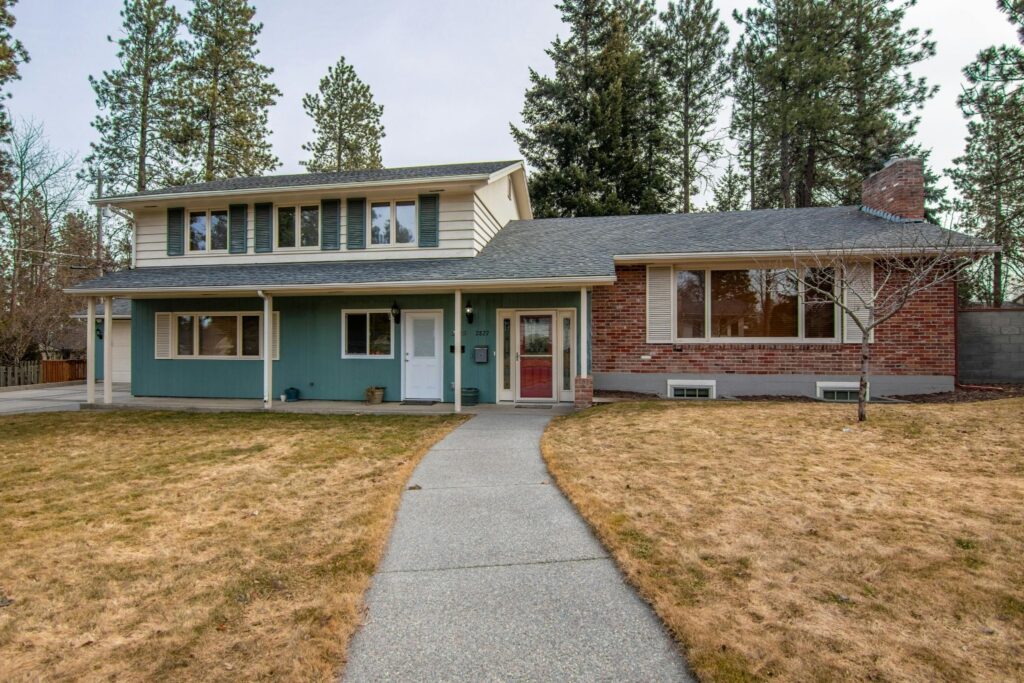
Homes in Wenatchee have a strong mix of older and newer housing styles. Many were built in the mid-1900s, and some are still running on their original plumbing systems. That means pipes, fittings, and drain lines that have been in place for decades, often without much attention, until wear starts to show.
Plumbing issues in older homes tend to develop gradually rather than all at once. The materials used in earlier decades were built to last, but they were not designed to handle the water demands of a modern household. Over time, corrosion, sediment buildup, and material fatigue begin to affect how a home’s plumbing system performs. Early signs like a drop in water pressure or a drain that runs a little slower often appear well before a problem becomes a larger repair.
This guide covers why older homes in Wenatchee tend to experience more plumbing problems, which materials are typically involved, and what signs homeowners can look for in an aging system. It also outlines the long-term solutions A&N Plumbing uses to restore proper flow and keep older plumbing systems stable.
Why Do Older Homes Have More Plumbing Issues?
Older homes were built with plumbing systems and materials that were standard for their time. Pipes installed in the 1950s or 1970s were considered reliable, but no system is exempt from the effects of decades of continuous use. Over time, even well-built plumbing begins to show signs of aging.
The Age of the Plumbing Materials
Much of the wear seen in aging plumbing systems comes down to the materials themselves. Pipes corrode, joints loosen, and seals break down gradually over the years. Cast iron drain lines were widely used in older construction and were durable when first installed. After decades of use, however, they can deteriorate internally as waste and moisture interact with the pipe surface. The inner walls may roughen or thin over time, which tends to increase the likelihood of slow drains or sewer line concerns.
Increased Household Water Demand
Plumbing systems installed decades ago were also not designed to handle today’s water usage. According to the EPA, the average American household uses more than 300 gallons of water per day, a demand that far exceeds what older systems were typically built to support. That added strain accelerates wear on pipes that are already aging, making pressure issues and restricted drainage more likely over time.
Combined with sediment buildup and years of continuous use, plumbing problems in older homes tend to be more frequent and more layered than those found in newer construction.
Common Plumbing Issues Found in Older Homes
While every home in Wenatchee has different plumbing needs, certain problems tend to show up more frequently in older properties. These signs are rarely isolated incidents. They are typically symptoms of an aging plumbing system that has been developing quietly over time.
Corroded or Restricted Supply Lines
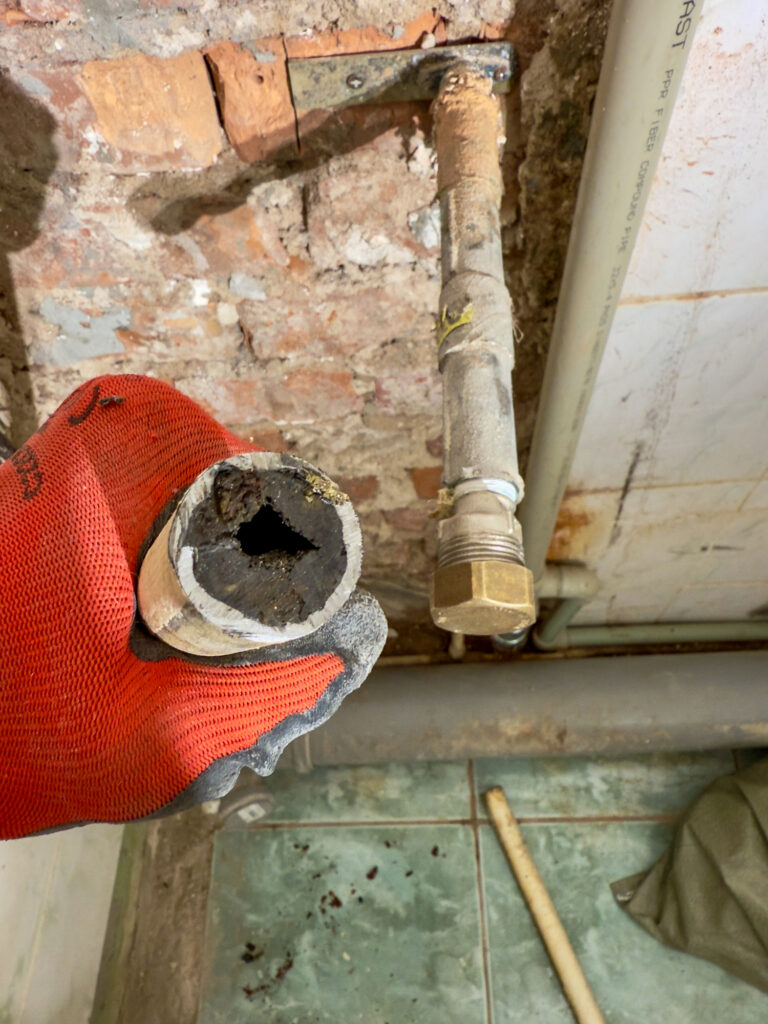
Galvanized steel pipes, which were widely used before the 1960s, are prone to rusting from the inside out. As these pipes age, internal corrosion gradually restricts water flow throughout the system. Homeowners with this type of piping may begin to notice:
- Lower water pressure across multiple fixtures
- Uneven pressure between hot and cold lines
- Discolored water when first turning on a faucet
These symptoms often indicate that mineral buildup or pipe corrosion is reducing proper flow through the supply lines.
Drain Line Deterioration
Cast iron drain lines can develop scaling and buildup along their interior walls after decades of use. As that buildup accumulates, it narrows the pipe and affects how well water moves through the system. Common signs include:
- Recurring clogs in drain lines
- Slower drainage in sinks or tubs
- Occasional sewer odors near fixtures
In many cases, these patterns point to gradual drain line deterioration rather than a single isolated clog. A professional evaluation can confirm whether drain cleaning and clearing services are the right next step.
Hidden or Recurring Water Leaks
In older homes, pipe connections and fittings can loosen over time and eventually allow water to seep behind walls or beneath flooring. Because these leaks develop slowly, they are often not immediately visible. Over time, homeowners may notice:
- Subtle increases in monthly water bills
- Soft or damp spots in flooring
- Mild staining on ceilings or drywall
A thorough evaluation of your plumbing system can help locate the source of a leak before water damage spreads to surrounding materials.
Outdated Fixtures and Plumbing Connections
Plumbing connections, water valves, and older fixtures often wear out before the main supply lines do. Dripping faucets or slowly leaking shut-off valves are small but reliable indicators that components throughout the system are aging.
Each of these issues tends to develop gradually rather than appear as a sudden failure. Recognizing the patterns early gives homeowners more options when it comes to planning the right long-term solution.
Why Early Attention Matters in Older Plumbing Systems
Plumbing issues in older homes often develop slowly, which makes them easy to set aside. The challenge is that gradual problems do not stay small on their own. Two patterns in particular tend to make aging plumbing issues more complicated when they go unaddressed for a long time.
- Deterioration That Progresses Out of Sight: Pipes run behind walls, under floors, and through crawl spaces, which means wear can progress for months before it becomes noticeable. Slow leaks at corroded joints are a common example of damage that builds quietly until something more visible appears.
- Wear That Affects Connected Components: Older plumbing systems are interconnected, so wear in one area can place added strain on surrounding components. A pipe that has weakened over time may affect fittings, valves, or sections of the line that are already showing their age.
Catching these issues early typically keeps repairs more straightforward and helps maintain the overall stability of the plumbing system over time.
How Wenatchee’s Local Conditions Affect Older Plumbing Systems
Plumbing issues in older homes are not shaped by pipe age alone. In Wenatchee, local climate and water characteristics both play a role in how materials hold up over time.
| Local Factor | How It Affects Older Plumbing |
| Seasonal Temperature Changes | Pipes expand and contract with Wenatchee’s shifting seasons. Over time, this repeated movement weakens joints and connections, particularly in uninsulated areas of the home. |
| Hard Water Mineral Buildup | Local water carries minerals that gradually deposit inside pipes and fixtures. In galvanized pipes especially, this buildup compounds natural corrosion and further restricts flow over time. |
| Freeze-Thaw Ground Movement | Wenatchee’s winters cause the ground itself to freeze and shift, not just the pipes. This soil movement can affect underground lines and pipe connections differently than the expansion/contraction inside the home. |
| Seasonal Water Pressure Fluctuations | Wenatchee’s water supply is influenced by snowmelt from the Cascades. During spring runoff, municipal supply pressure can fluctuate, which puts added stress on older pipes and fittings that are not equipped to handle pressure shifts well. |
Understanding these local conditions gives homeowners better context for what is happening inside an aging plumbing system. Pipe age is often the starting point, but Wenatchee’s water quality and seasonal shifts can influence how those issues develop.
Professional Solutions for Plumbing Issues in Older Homes
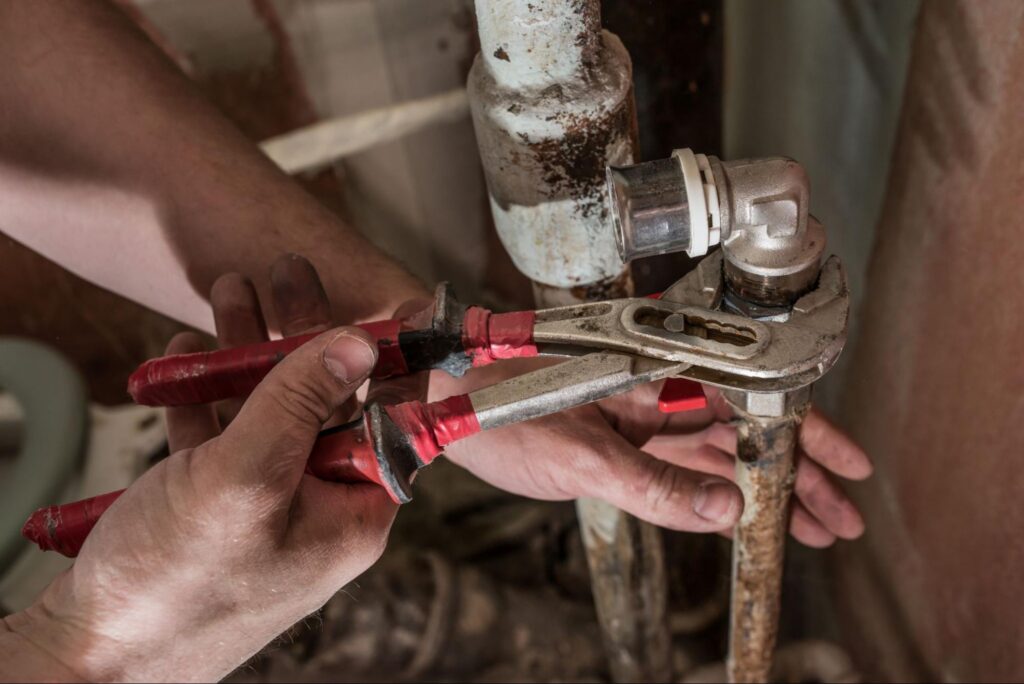
At A&N Plumbing, older homes are approached with a thorough evaluation first. Rather than addressing only what is visible, the team conducts a full assessment of how the plumbing system is performing. This helps identify where the underlying stress points are before any work is recommended.
Depending on what the evaluation reveals, solutions for an aging plumbing system typically include one or more of the following:
- Pipe Inspection and Assessment: A close look at water supply and drain lines to identify signs of corrosion, mineral buildup, joint failures, or material concerns that may be affecting system performance.
- Targeted Pipe Repair or Section Replacement: When wear is concentrated in a specific area, that section can be replaced to restore proper flow and pressure without requiring a full replumb service.
- Drain Line Clearing and Restoration: Cast iron and older drain lines that have developed interior scaling or blockages can be cleared and restored to improve overall drainage throughout the home.
- Full or Partial Replumbing: Recommended when pipe materials known to degrade, such as polybutylene, are present, or when corrosion has affected a significant portion of the system.
- Pressure and Flow Evaluation: Restrictions in supply lines are identified and pressure imbalances are corrected to bring the system back to stable, reliable performance.
The priority is always to assess the system thoroughly before recommending any repair path. That measured approach allows A&N Plumbing to restore proper flow and support long-term stability rather than addressing problems one at a time.
Why Homeowners Trust A&N Plumbing & More for Older Homes
Older homes require a more careful approach. Each plumbing system has a history, and many have had partial updates over the years, creating a mix of materials and connection points that need to be understood before any work begins.
Since 2015, A&N Plumbing & More has served Wenatchee and the surrounding North Central Washington region with a focus on long-term plumbing solutions. That local experience means familiarity with the housing styles, water conditions, and plumbing materials commonly found in homes throughout the area.
Every job gets the same thorough evaluation, clear explanation of findings, and honest recommendation, whether it is a targeted repair or a more involved fix.
FAQs About Plumbing Issues in Older Homes
How do I know if my home still has its original plumbing?
If your home was built before the 1980s and has not had a full replumb, there is a reasonable chance it still has original supply or drain lines in place. A plumber can inspect visible pipe sections in the basement, crawl space, or utility areas to identify the materials used and assess their current condition.
What are the most common plumbing problems found in older homes?
Older homes most commonly develop corroded or restricted supply lines, slow or blocked drain lines, hidden leaks at aging pipe connections, and worn fixtures or shutoff valves. These issues tend to develop gradually and are often related to the original pipe materials rather than a single isolated cause.
When should plumbing in an older home be replaced?
Replacement is worth considering when pipes show consistent signs of corrosion, restricted flow, or recurring leaks. A professional evaluation can determine whether targeted repairs are sufficient or whether a partial or full replumb makes more sense.
How long do water pipes typically last in Wenatchee?
Pipe lifespan varies depending on the material. Copper pipes generally last between 50 and 70 years, while modern PEX and PVC pipes can last 50 to 100 years with proper maintenance. Galvanized steel pipes, which were common in homes built before 1970, typically have a lifespan of 20 to 50 years. Wenatchee’s hard water conditions can shorten these timelines, particularly for older pipe materials.
What type of pipes are typically found in older homes?
Homes built before the 1970s most commonly have galvanized steel supply lines and cast iron drain lines. Some homes from the 1970s and 1980s may also contain polybutylene piping, which is known to degrade over time.
How do I know if my home still has its original plumbing?
If your home was built before the 1980s and has not had a full replumb, there is a reasonable chance it still has original supply or drain lines in place. A plumber can inspect visible pipe sections in the basement, crawl space, or utility areas to identify the materials used and assess their current condition.
What are the most common plumbing problems found in older homes?
Older homes most commonly develop corroded or restricted supply lines, slow or blocked drain lines, hidden leaks at aging pipe connections, and worn fixtures or shutoff valves. These issues tend to develop gradually and are often related to the original pipe materials rather than a single isolated cause.
When should plumbing in an older home be replaced?
Replacement is worth considering when pipes show consistent signs of corrosion, restricted flow, or recurring leaks. A professional evaluation can determine whether targeted repairs are sufficient or whether a partial or full replumb makes more sense.
How long do water pipes typically last in Wenatchee?
Pipe lifespan varies depending on the material. Copper pipes generally last between 50 and 70 years, while modern PEX and PVC pipes can last 50 to 100 years with proper maintenance. Galvanized steel pipes, which were common in homes built before 1970, typically have a lifespan of 20 to 50 years. Wenatchee’s hard water conditions can shorten these timelines, particularly for older pipe materials.
What type of pipes are typically found in older homes?
Homes built before the 1970s most commonly have galvanized steel supply lines and cast iron drain lines. Some homes from the 1970s and 1980s may also contain polybutylene piping, which is known to degrade over time.
Schedule a Plumbing Evaluation for Your Older Home
Plumbing issues in older homes tend to develop quietly, but the signs are usually there before things get complicated. Slow drains, inconsistent water pressure, and discolored water are worth paying attention to, especially in a home that has been running on the same plumbing system for decades.
A thorough evaluation gives a clear picture of what is actually happening inside the system and what the most practical path forward looks like. If any of those signs sound familiar, schedule an evaluation online or call (509) 888-1933 to have the plumbing assessed and get straightforward answers about your home’s condition.