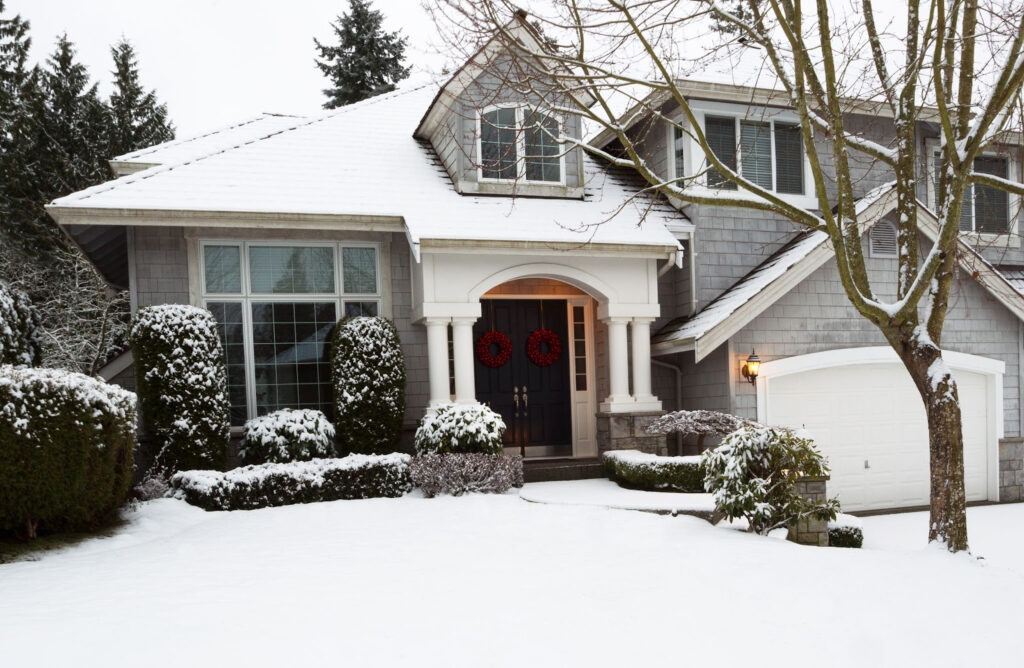
Cold weather in Wenatchee can do more than raise your heating bill. Once temperatures drop below freezing, water inside your pipes expands and creates pressure that can cause cracks, leaks, or even burst lines. Frozen pipes, stressed water heaters, and septic problems are recurring concerns during winter in this area, but with a little preparation, you can stay ahead of them and avoid costly damage.
At A&N Plumbing & More LLC, our licensed team has been helping homeowners safeguard their plumbing since 2015. We know how the region’s sharp freeze-thaw cycles wear down older plumbing systems and how small leaks can turn into major issues once the frost sets in. Our team provides reliable plumbing repair services that restore performance and keep your home’s plumbing ready for whatever winter brings.
Getting your home ready for winter takes a few smart steps, and knowing what to look for makes all the difference. Below, the experts at A&N Plumbing share how to winterize your plumbing in Wenatchee, WA, from protecting your pipes to maintaining your water heater and septic system before the first deep freeze hits.
What Happens If You Don’t Winterize Your Plumbing in Wenatchee?
Winter in Wenatchee is unpredictable. Cold fronts can move in quickly, bringing temperatures that drop well below freezing. When that happens, any plumbing that hasn’t been prepared is at risk.
Pipes in crawl spaces, garages, and exterior walls are the first to suffer. Once water flow slows or stops, the pressure in those lines can rise until the pipe splits. What starts as a small leak can easily turn into a major plumbing emergency.
Just one burst pipe can cause thousands of dollars in water damage. Floors, drywall, and insulation can all be affected before you even know there’s a problem. And it’s not only pipes that take a hit. Cold weather puts extra strain on water heaters, sump pumps, and outdoor fixtures. Septic systems can freeze too, especially in older Wenatchee homes with shallow or uninsulated lines.
Taking time to winterize your plumbing prevents these problems before they begin. Simple tasks like adding insulation, draining outdoor lines, and checking your water heater can protect your system from serious winter damage. A&N Plumbing helps Wenatchee homeowners complete these steps safely and efficiently so their plumbing stays reliable through the coldest months.
Steps to Keep Your Pipes from Freezing
Protecting your plumbing during winter doesn’t have to be complicated. A few preventive measures can make a big difference in keeping your pipes safe and your water flowing when temperatures drop.
Here are some simple, effective ways to winterize your plumbing in Wenatchee:
- Insulate exposed plumbing. Pipes that run through attics, crawl spaces, basements, and garages are the most likely to freeze. Use foam pipe insulation or heat tape to protect these areas. For long-term protection, A&N Plumbing can install professional-grade insulation that lasts for years.
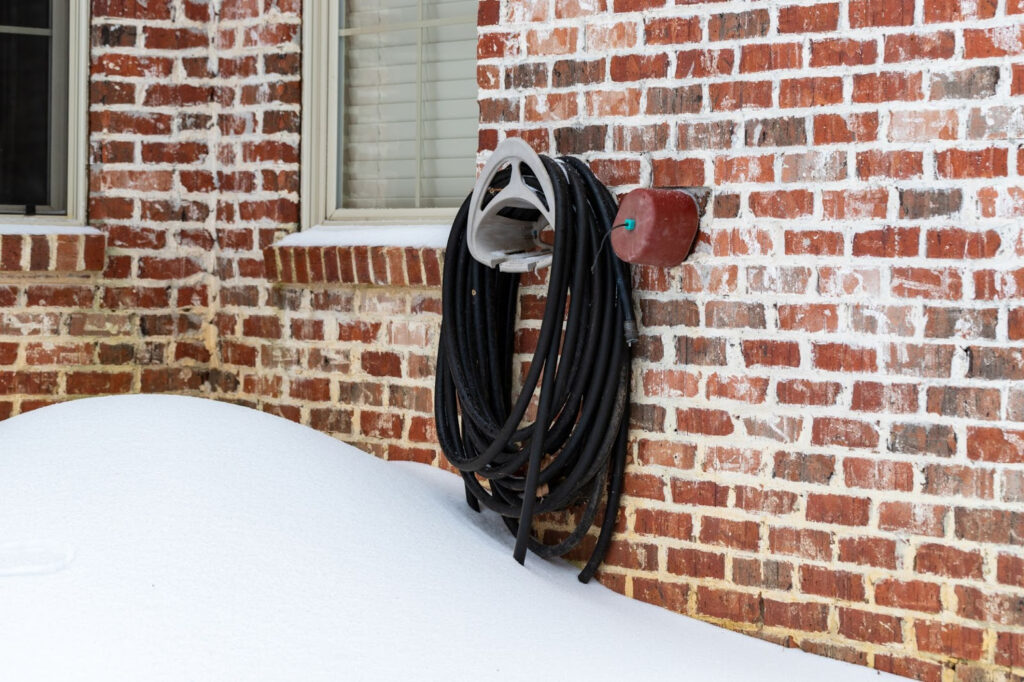
- Disconnect and drain outdoor hoses. Garden hoses that stay connected trap water inside the spigot, which can freeze and expand. Disconnect hoses completely, drain them, and store them indoors before the first hard frost.
- Turn off and drain exterior faucets. After removing hoses, locate the interior shut-off valve for your outdoor faucet. Close the valve, then open the spigot outside to release any water left in the line. This step protects the plumbing inside your wall from freezing and bursting.
- Seal air leaks near plumbing. Cold air can enter through gaps near vents, windows, and foundation openings. Seal those spots to keep warm air inside and cold air away from your pipes.
- Keep indoor temperatures steady. Even when you’re away, avoid letting your home’s temperature drop below 55°F. Opening cabinet doors under sinks helps warm air circulate around pipes along exterior walls.
- Let faucets drip on the coldest nights. A slow drip keeps water moving and helps relieve pressure inside pipes. It’s one of the simplest ways to protect pipes during freezing weather and can help prevent damage when temperatures drop suddenly.
- Know where your main shut-off valve is. If a pipe does burst, turning off the water quickly limits damage. Make sure everyone in your home knows where the valve is and how to use it.
Taking these steps before freezing weather sets in keeps your plumbing protected and your home comfortable all winter. A little preparation now can save you from major repairs once the temperatures start to drop and can also help the rest of your plumbing system, from fixtures to your water heater, work more efficiently through the season.
Inspect Fixtures and Drains to Avoid Winter Plumbing Issues
Once your pipes are wrapped and ready, look closer at the plumbing you use every day. In Wenatchee, a sudden overnight freeze can reveal weak spots fast. Faucets that drip a little in October can start leaking steadily by January if they aren’t checked early.
Run through the house and open each faucet. Feel around the handles and under the sink for any sign of moisture. A small damp ring today can turn into a steady leak once metal contracts in the cold. Tighten connections where you can and note anything that needs a plumber’s touch before winter sets in.
While you’re at it, test your drains. If water swirls slowly or gurgles, it’s time to clear them. Cooler weather makes soap scum and grease harden inside pipes, especially in kitchens and older Wenatchee homes with cast-iron lines. A quick clean now keeps wastewater flowing instead of backing up when it’s freezing outside.
Appliance lines deserve a look too. Check the washing machine, dishwasher, and fridge hookups for stiff hoses or worn connectors. Cold air in basements and utility rooms can make rubber lines brittle. Swapping them out for braided stainless steel hoses is a simple upgrade that prevents messy mid-winter leaks.
These small checks take less than an hour and can spare you from the frustration of chasing leaks or slow drains when temperatures drop below freezing.
Prepare Your Water Heater for Wenatchee’s Winter
When the cold settles into the Wenatchee Valley, your water heater becomes one of the hardest-working systems in your home. The combination of icy groundwater and heavier indoor use means the tank runs longer and harder, putting extra strain on aging parts. Checking it before the coldest part of winter helps you spot small problems early and keeps hot water flowing when you need it most. Look for rust, corrosion, or moisture around the base and fittings, as these are often the first signs that a tank is starting to wear out.
Even a few minutes of upkeep can make a noticeable difference once temperatures stay below freezing. Sediment buildup, loose fittings, or older components can all cause slow heating or sudden failures during a cold snap. Scheduling water heater repair and maintenance with A&N Plumbing before the first hard freeze keeps your system running safely, efficiently, and reliably. For homeowners throughout and around North Central Washington, a little attention now means fewer surprises and steady hot water all season long.
Avoid Common Septic System Mistakes Before Freezing Weather
A septic system works quietly beneath your yard, but freezing weather can cause real trouble if it’s already under stress. Once the ground hardens, access becomes harder and small problems can turn into expensive excavation jobs. Paying attention to a few key habits now keeps your system working dependably when temperatures drop.
Skipping Fall Maintenance
Waiting until spring to pump or inspect the tank is one of the biggest septic mistakes. Cold soil slows the breakdown process, and if the tank is already full, frozen lines can force wastewater back toward the house. Having your septic system expertly checked in the fall ensures it’s ready for the months ahead and spares you from digging in frozen soil later.
Flushing the Wrong Materials
Septic systems rely on bacteria to do the hard work. When harsh cleaners, wipes, or kitchen grease enter the tank, they throw off that balance and cause buildup that’s difficult to break down in cold weather. Stick to septic-safe products and scrape plates into the trash instead of the sink. Small daily choices like these keep the system healthy all winter.
Ignoring Drain Field Conditions
Snow, compacted soil, and parked vehicles over the drain field keep wastewater from filtering properly. That trapped liquid can freeze and push solids back into the tank. Keep the area clear and gently marked so snow removal or yard traffic doesn’t compact the ground.
A septic system that’s cared for in the fall will keep running quietly through the coldest weeks without backups or mid-season emergencies.
When to Call a Professional Plumber
Some plumbing jobs are easy to handle on your own, but others need a professional touch. Knowing the difference can prevent small plumbing issues from turning into expensive repairs once freezing weather sets in.
You should call a plumber if you notice:
- A sudden drop in water pressure or flow
- Strange gurgling or knocking sounds in your plumbing
- Frozen or hard-to-reach pipes
- Cloudy or discolored water
- A water heater that cannot keep up
Do not try to thaw frozen pipes with a torch or space heater. These methods are unsafe and often cause more damage than the cold itself. A licensed local plumber has the right tools and experience to fix the problem safely and protect your home from further issues.
A little professional help now can save time, stress, and repair costs once temperatures drop for good.
How Professional Winter Plumbing Services Save You Time and Money
Cold weather finds the weak points in any plumbing system. Small leaks, worn fittings, or thin insulation can turn into major repairs once frost sets in. A professional inspection before that happens can uncover the issues you cannot see and keep your system running smoothly through the coldest weeks.
During a winter service, each part of your plumbing is tested and reinforced for the season ahead. Pipes in crawl spaces and exterior walls are checked for heat loss, valves are tightened, and water heaters are cleaned and tuned for better efficiency. These steps help prevent breakdowns and lower energy costs while extending the life of your equipment.
Working with a licensed local plumber also means your home is cared for by people who understand the region’s climate and how quickly temperatures can swing. Years of experience with frozen soil, fluctuating water pressure, and older home layouts allow expert teams like ours to spot risks early and recommend solutions that last.
Professional winter plumbing care protects more than your pipes. It keeps water flowing when temperatures drop, helps your equipment run at its best, and lets you face the cold season knowing your home is ready for it.
Schedule Winter Plumbing Service Before the Freeze Hits
Winter does not wait for anyone, and neither should your plumbing. Cold snaps in North Central Washington can hit fast, leaving little time to react once the ground starts to freeze. By winterizing plumbing in Wenatchee, WA, homeowners can avoid the stress of burst pipes, struggling water heaters, and frozen drain lines. Taking care of these tasks now means a warmer, safer season ahead without the worry of midwinter surprises.
A professional inspection and tune-up make all the difference. From securing outdoor fixtures to testing your water heater and checking insulation, even small preventive steps go a long way when temperatures dip. It is the smart way to protect your home, conserve energy, and extend the life of your plumbing systems.
Do not wait until frost is already on the ground. Schedule your winter plumbing service with A&N Plumbing today. Call (509) 888-1933 to prepare your home for the season and enjoy peace of mind all winter long.