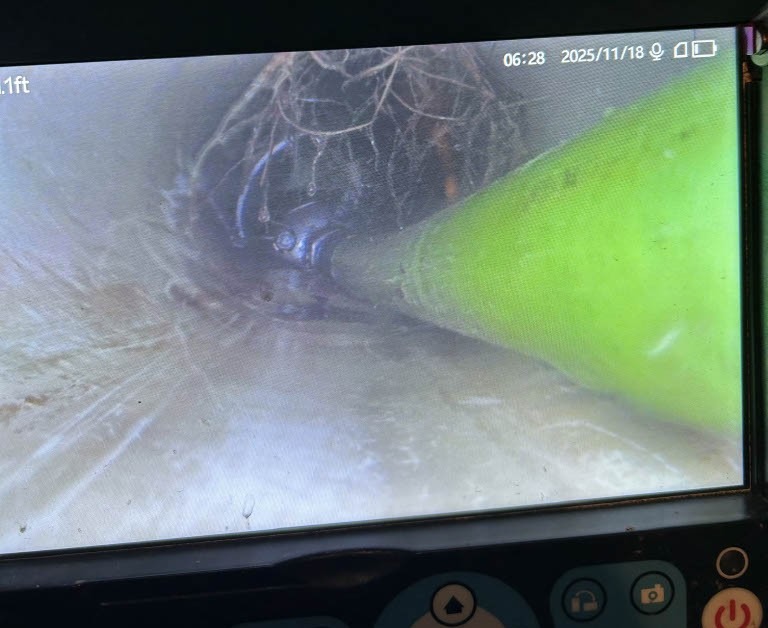
Tree roots in sewer lines have a way of staying hidden until something changes. For many homeowners, that turning point comes right after winter.
As the ground thaws in Wenatchee and across North Central Washington, soil shifts and moisture levels rise. That combination can open small gaps in sewer pipes or make existing ones easier for roots to reach. At the same time, root systems start actively searching for water again, and sewer lines are a reliable source.
This is why early spring is often when slow drains, recurring clogs, or backups start showing up. What was a small, unnoticed root intrusion during winter can begin to interfere with normal drainage as roots grow and collect debris inside the pipe.
If multiple drains in your home are slowing down at once, or problems keep coming back after clearing, it may point to tree roots in the sewer line. Catching it early can make a big difference in how the issue is handled and how much of the pipe is affected.
Why Sewer Line Root Intrusion Often Appears in Early Spring
Root systems stay active underground even through colder months, but early spring is when growth really picks up. Once snow melts and soil starts absorbing moisture again, roots begin pushing outward in search of a reliable water source.
A few seasonal factors tend to work together during this time:
- Freeze and thaw cycles shift the soil, which can move underground pipes slightly and open small gaps at pipe joints.
- Rising soil moisture draws tree roots toward sewer lines, where condensation and wastewater create a consistent source of water.
- Spring root growth encourages trees to extend new root structures further from the trunk.
When these conditions line up, roots that were already close to a pipe can finally find their way inside through those small openings. And once they are in, they do not leave on their own. The warmth, water, and nutrients inside a sewer line give roots every reason to keep growing.
How Tree Roots Get Into a Sewer Line
Most homeowners assume roots force their way through solid pipe walls, but that is rarely how it starts. Root intrusion in a sewer line almost always begins through small openings that already exist in the line.
The most common entry points are pipe joints that have loosened over time, small cracks in older pipes, slight separations between pipe sections, and areas where soil movement has shifted the line out of position. These gaps do not need to be large. A tiny root only needs a trace of moisture to find its way in.
Once inside, the root keeps growing. More roots follow the same path, and the intrusion slowly expands. Because the whole process happens underground and over months or years, most homeowners do not realize anything is wrong until drains start slowing down. In many cases, this kind of damage may eventually require professional sewer line repair to fully resolve the issue.
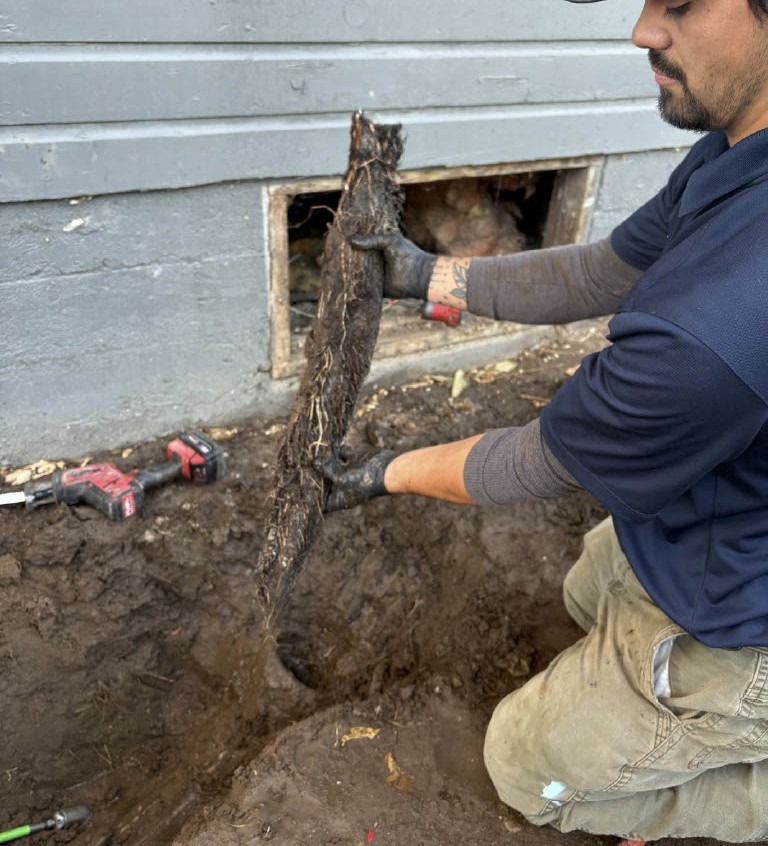
Clay Sewer Pipes vs PVC Pipes and Root Intrusion
The type of sewer pipe beneath your home plays a big role in how easily tree roots in a sewer line can develop. Some materials are simply more vulnerable to small openings where roots can enter.
Clay Sewer Pipes
Older clay pipes were installed in shorter sections joined together with mortar or compression fittings. Over time, these joints can loosen as soil shifts, creating small gaps that allow roots to enter.
Because clay systems often have many joints along the sewer line, they naturally create more potential entry points for root intrusion. Even a slight separation is enough for roots to find moisture and begin growing inside the pipe.
PVC Sewer Pipes
PVC sewer pipes are typically installed in longer, continuous sections with sealed connections. With fewer joints, there are fewer places for roots to enter.
PVC is also more flexible than clay, which allows it to adjust slightly as the soil moves. This reduces the likelihood of cracks or separations forming over time.
Why This Matters for Root Intrusion
This difference is one reason root intrusion in sewer lines is more common in older homes with clay piping. More joints and aging materials increase the chances of small openings forming, which gives roots an opportunity to enter and expand.
Signs You May Have Tree Roots in a Sewer Line
Tree roots in a sewer line usually do not cause problems all at once. Instead, they tend to create gradual changes in how your plumbing system drains.
In many cases, homeowners notice small issues first, like slower drains or occasional clogs, before more serious backups develop. Recognizing these early signs can help you address the problem before it affects the entire sewer line.
You may start noticing signs like:
- Slow drains throughout the home
When multiple fixtures drain slowly at the same time, it often points to a restriction in the main sewer line rather than a single clog - Gurgling toilets
Air trapped in the line can cause bubbling or gurgling sounds after flushing - Recurring drain clogs
If clogs keep returning after being cleared, something deeper in the system may still be restricting flow - Water backing up in lower drains
Showers, tubs, or floor drains may be the first places where backups appear - Greener or damp patches in the yard
Tree roots in a sewer line can cause small leaks, which may lead to unusually lush or wet areas above the pipe
These symptoms can indicate restricted drainage inside the main sewer line rather than a simple fixture clog. Because the blockage occurs deeper in the plumbing system, identifying the exact cause usually requires a professional sewer camera inspection.
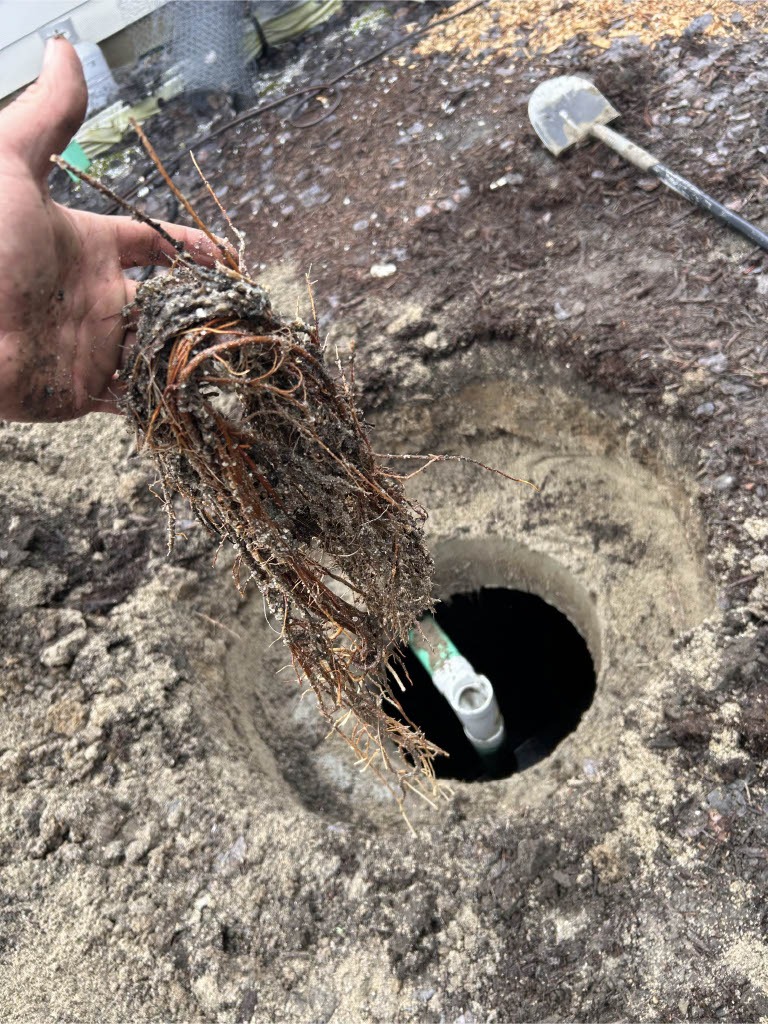
When It Makes Sense to Check the Sewer Line
Not every slow drain means there is a serious problem, but patterns are what matter. When multiple fixtures in your home are affected at the same time, it often points to an issue deeper in the system rather than a single clog.
If problems keep returning after clearing a drain, or if you are noticing backups in lower fixtures, it is usually a sign that the blockage is not near the surface. This often means the issue is deeper in the main sewer line rather than inside a single fixture. In many cases, this is where tree roots in a sewer line or buildup inside the pipe starts to interfere with normal flow.
At that point, a sewer line inspection is the only way to see what is actually happening inside the pipe and determine the right solution.
How Plumbers Confirm Root Intrusion
When root intrusion is suspected, plumbers typically use a professional drain camera inspection to examine the inside of the sewer line. A small waterproof camera is inserted through a drain opening or cleanout and guided through the pipe.
This allows the plumber to view the interior condition of the sewer line in real time and identify issues like tree roots in a sewer line, cracks, or other sources of restricted drainage, which is a common issue in aging sewer systems.
This inspection helps determine:
- Whether roots are present: Confirming if tree roots are causing the blockage
- Where the roots entered the pipe: Identifying cracks, joints, or separations
- Whether the pipe has been damaged: Checking for structural issues that may need repair
- The extent of the blockage: Understanding how much of the line is affected
Camera inspections allow the plumbing system to be evaluated thoroughly before choosing the most appropriate repair approach.
When Hydro Jetting Can Remove Sewer Roots
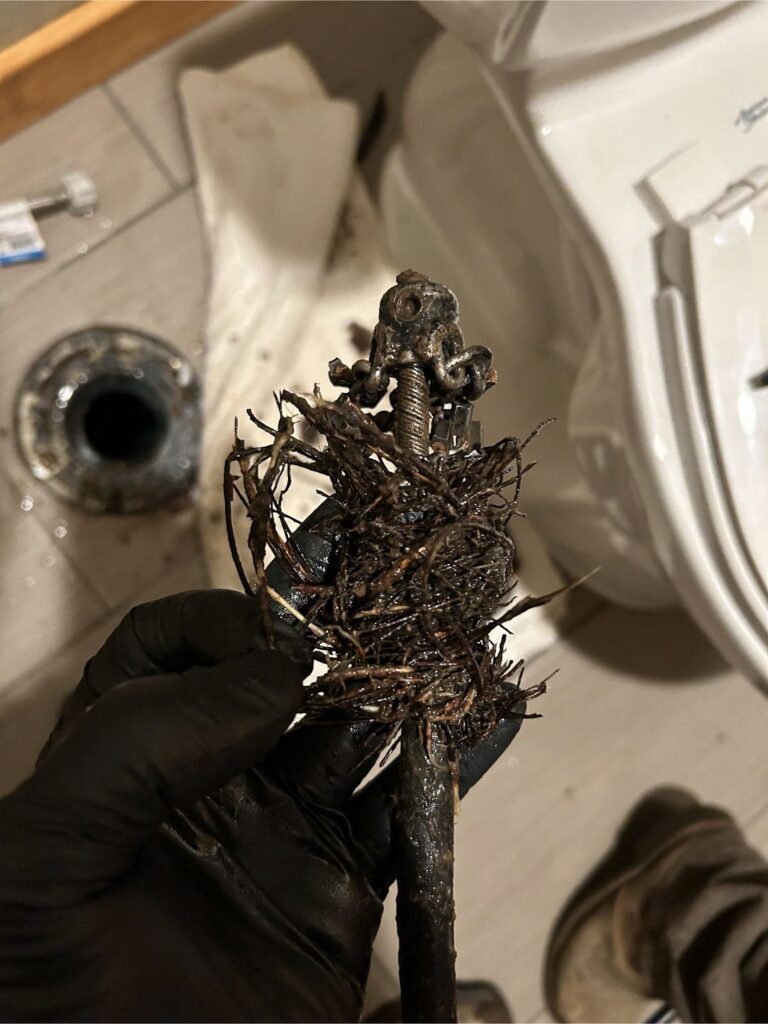
Expert hydro jetting services are often used when roots are starting to cause problems in a sewer line, but the pipe itself is still in decent shape. It works by sending high pressure water through the line to break apart root growth and clear out the buildup that is slowing everything down.
Hydro jetting is usually a good option when:
- Roots are still in the early stages and have not fully taken over the pipe
- The pipe remains structurally intact without major cracks or separations
- The blockage is partial and water can still move through the line
Hydro jetting can restore proper flow and remove buildup that allows roots to continue spreading. If the pipe is already damaged, however, clearing the roots alone may not fully resolve the problem.
When Sewer Line Repair or Pipelining Is Recommended
Sometimes root intrusion goes beyond a simple blockage and starts affecting the condition of the pipe itself. As roots grow inside the line, they can widen cracks, shift joints, or weaken sections of the pipe over time. When that happens, clearing the roots may only solve the problem temporarily, especially if they continue to grow back in the same spot.
In these situations, trenchless pipelining can be used to reinforce the pipe from the inside by creating a new sealed lining that blocks future root intrusion. The best approach depends on how much damage is present and how far the root growth has spread.
Frequently Asked Questions About Tree Roots in Sewer Lines
Can tree roots break a sewer line?
Yes. Roots naturally grow toward moisture. When they reach a small crack or joint in a sewer pipe, they can enter the pipe and continue expanding inside it. Over time this growth can widen the opening, restrict drainage, and eventually damage the pipe structure.
How do plumbers find tree roots in a sewer line?
Plumbers usually confirm root intrusion using a drain camera inspection. A small camera is inserted through the drain line to view the inside of the pipe and identify root growth, cracks, or joint separations.
Can hydro jetting remove tree roots from a sewer line?
Hydro jetting can remove smaller or moderate root intrusions by using high pressure water to clear the pipe. If roots have already damaged the pipe or repeatedly grow back, a more permanent repair may be recommended.
When is sewer line repair needed for root intrusion?
A repair becomes necessary when roots have cracked, separated, or collapsed sections of the pipe. In some cases trenchless pipelining can restore the pipe interior without full excavation.
Do tree roots grow back after hydro jetting?
Hydro jetting removes roots that have entered the sewer line and restores proper flow inside the pipe. However, if the pipe contains cracks or joint openings, new roots may eventually grow back through the same entry point. In those situations, repairing or lining the pipe may provide a longer term solution.
Schedule a Sewer Line Inspection
If drains throughout your home are slowing down or clogs keep coming back, the issue may be deeper in the sewer line. Tree roots inside a pipe often start small, then gradually collect debris and restrict drainage over time. A closer look inside the line can help identify root growth, pipe separations, or structural damage so the right solution can be recommended.
Addressing the issue early can help restore proper drainage and prevent more extensive damage. Call (509) 888-1933 to schedule service in Wenatchee or anywhere in North Central Washington and get a solution based on the actual condition of your sewer line.