TL;DR
- Your home runs on two connected systems: one brings clean water in under pressure, and the other carries used water and waste out by gravity.
- Most common problems, like low pressure, slow drains, discolored water, or odd smells, trace back to one of those two systems, and the signs usually build up gradually.
- Knowing where your main shut-off valve is, and what your pipes are made of, helps you catch small issues before they spread.
- This guide explains each part in plain language so you can tell what is normal and when it makes sense to have the system looked at.
Most people do not think about their plumbing until something changes. The shower pressure drops, a drain starts to gurgle, or a water stain shows up under the sink. Up until then, the whole system just works quietly in the background.
That quiet is the point. A home plumbing system is built to move water in and out of your house without asking for much attention, and that is usually a good thing. The trade-off is that when something does start to go wrong, the early signs are easy to miss. Once you understand how the main pieces fit together, those signs get a lot easier to notice, and it takes some of the guesswork out of knowing what needs attention now and what can wait a little while.
This guide walks through how your plumbing actually works, in plain terms and without the technical jargon. The goal is not to turn you into a plumber. It is simply to help you make sense of what is happening behind the walls, so you can tell an everyday quirk from a real problem worth a professional’s eye.
The Two Jobs Every Home Plumbing System Handles
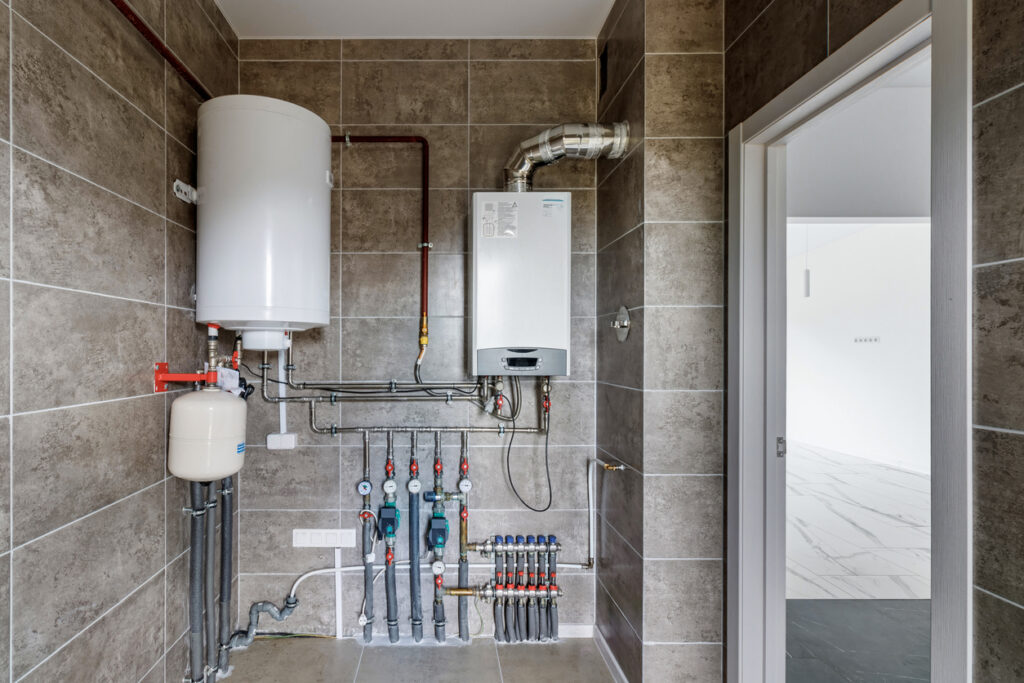
A home plumbing system does two basic jobs. It brings clean water into your house under pressure, and it carries used water and waste back out. Almost everything else, the pipes, valves, drains, and vents, exists to support one of those two jobs.
Plumbers usually describe this as two connected systems:
- The water supply system. Brings fresh, pressurized water in from the city main or a well, then splits it into cold lines and hot lines that feed your fixtures and appliances.
- The drain-waste-vent (DWV) system. Carries used water and waste out of the house using gravity instead of pressure, while vent pipes let air in so everything drains the way it should.
You will sometimes see the drainage side counted as two parts, the drains that move water out and the vents that keep air flowing, which is why some guides describe three systems instead of two. Either way, the split that matters most is simple. One side is under pressure and pushing water toward you. The other relies on gravity to carry water away.
Knowing which side a problem is on tells you a lot before anyone picks up a tool. Weak flow, no hot water, or a sudden pressure drop usually points to the supply side. Slow drains, gurgling, or a smell rising up from a fixture points to the drain side. The rest of this guide follows the water in the order it actually moves through your home, starting with how it reaches your faucet.
1. How Clean Water Reaches Your Faucet: The Supply Side
The supply side is the half of your plumbing that stays under constant pressure. From the moment water reaches your property to the second it comes out of a tap, it is being pushed through a network of lines that branch off to serve every fixture in the house.
Where Your Water Starts
Your water comes from one of two places: a municipal water main under the street, or a private well on your property. Either way, it enters through a single main supply line that usually runs underground into the house. Homes on city water also have a meter on that line, often near the street or in a utility area, which tracks how much you use. That main line is the trunk of the whole supply system, and everything past it branches off from there. It is also why the main shut-off valve sitting nearby is worth locating, which we will come back to a little later.
How Water Splits Into Hot and Cold
Once the main line is inside, it divides. One branch stays cold and runs straight to things like toilets, outdoor spigots, and the cold side of every faucet. The other branch travels to your water heater, warms up, and comes back out as a separate hot line feeding your showers, dishwasher, and the hot side of your taps. That is why most fixtures have two handles or a single mixing valve: you are quietly blending two different supply lines every time you turn one on.
Water heaters come in two common styles, a traditional tank that keeps a reservoir of water hot and a tankless unit that heats it on demand. Tankless systems especially depend on clean flow and steady upkeep to run well, so when hot water starts turning inconsistent, it is often worth having your tankless water heater repaired before the issue works its way through the rest of the hot side.
What Keeps the Pressure Steady
Pressure is what makes the supply side do its job. It is the push that carries water up to a second-floor shower and out of the tap the instant you open it. In most homes, that pressure is set by the city or by a regulator near the main line, and it tends to hold steady without you ever thinking about it.
When it drifts, you usually feel it before you see it. Weak flow at a single tap often points to a local clog or a valve that is not fully open, while low pressure everywhere at once tends to signal something on the main line or the regulator itself. A noticeable change either way, stronger or weaker, is one of the clearer early hints that the supply side is worth a closer look.
2. Where Water Goes When You’re Done: The Drain-Waste-Vent System
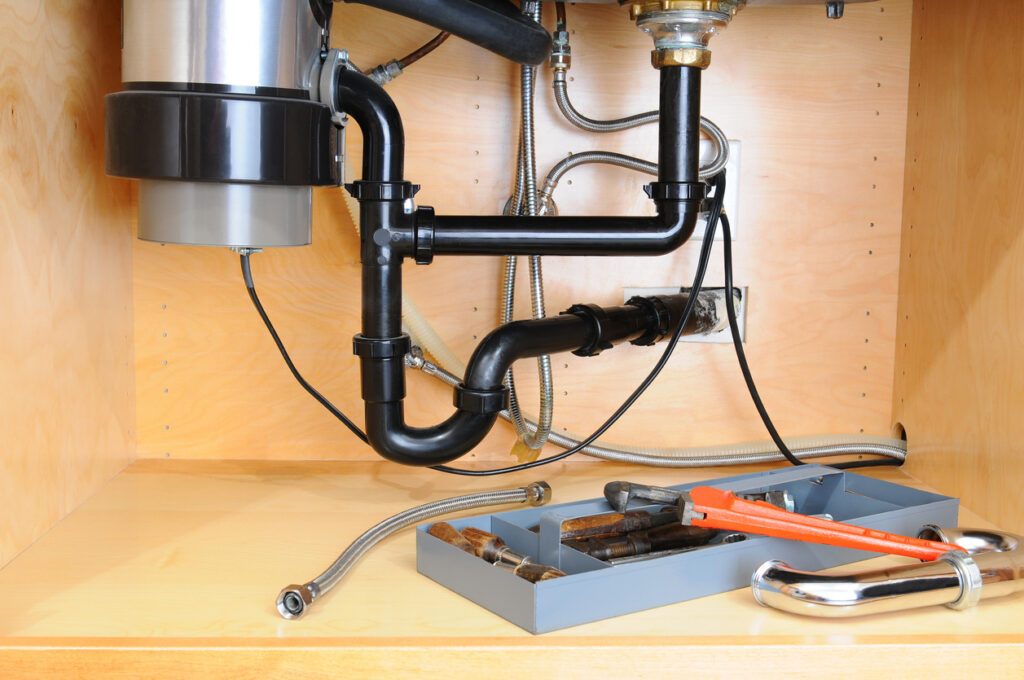
The drain side works on the opposite principle from the supply side. Instead of pressure pushing water toward you, gravity pulls it away. Every drain line is pitched at a slight downward angle so water and waste flow steadily toward the main sewer line or septic tank, no pump required.
It is a simple design, and when it works, you never think about it. When drainage slows down, though, it usually means something is restricting that flow. Clearing it early with professional drain cleaning keeps a small slowdown from turning into a full backup.
Two parts of this system do the quiet work. The first is the P-trap, that curved, U-shaped section of pipe under every sink. It holds a small amount of standing water at all times, and that water forms a seal that blocks sewer gases from drifting back up into your home. Every draining fixture has one, from tubs to toilets. If a drain you rarely use starts to smell, the water in its trap has often just evaporated, and running the tap for a moment refills it and clears the odor.
The second is venting. Drain pipes run up through the walls and out the roof, and that open air lets drains breathe. When water rushes down, the vent lets air in behind it so the flow does not create suction. Without it, draining water can pull the seal right out of a nearby P-trap, which is what causes that glugging sound and the occasional returning smell. So when a drain gurgles even though nothing is clogged, a venting issue is usually the cause.
Most drain-side trouble shows up in one of a few familiar ways:
- Slow flow at a sink, tub, or shower
- Gurgling sounds during or after draining
- A faint sewer smell near a fixture
A good amount of this clears with routine cleaning. When the same drain keeps backing up after it has been cleared, the real issue is usually further down the line where you cannot see it: a break, a low spot in the pipe, or roots working into a sewer line. That is where a drain camera inspection earns its place, since it lets a plumber see inside the line and find the cause instead of guessing.
What Your Pipes Are Made Of (and Why It Matters)
The pipes themselves are the part of your plumbing you almost never see, yet what they are made of shapes how the whole system ages and which problems tend to show up. Most homes use more than one material, often because pipes were added or replaced at different points over the years. Knowing roughly what you have makes the signs easier to read. Discolored water, for instance, means something different in a home with old steel supply lines than in one plumbed with modern plastic.
A handful of materials cover most homes:
| Material | Commonly Used For | Rough Lifespan | Worth Knowing |
|---|---|---|---|
| Copper | Supply lines, hot and cold | 50+ years | Long-lasting and time-tested. Costs more, and older joints can develop pinhole leaks as they age. |
| PEX | Supply lines in newer homes | Several decades, roughly 40 to 50 years | Flexible plastic that installs easily and handles freezing better than rigid pipe. Newer, so its long-term track record is still building. |
| PVC / CPVC | PVC for drains and vents, CPVC for supply | 50+ years | Inexpensive and corrosion-proof. CPVC handles hot water; standard white PVC does not. |
| Cast iron | Drain and sewer lines in older homes | 75 to 100 years | Durable and quiet, but corrodes from the inside as it ages and is heavy to replace. |
| Galvanized steel | Supply lines in older homes | 40 to 50 years | Corrodes internally over time, which can restrict flow and tint water brown. Usually replaced when found today. |
These lifespans are general estimates, not guarantees, since water quality, daily usage, and how the pipes were installed all affect how long any of them last. Still, the pattern holds: metal pipes tend to corrode slowly from the inside, while plastic pipes resist corrosion but are newer to the field.
Water quality feeds into all of this. Hard water carries dissolved minerals that gradually leave scale inside pipes and on fixtures no matter the material, and corroding older metal lines can add color or a metallic taste to what comes out of the tap. If your water looks, tastes, or feels off, a whole-home water filtration system treats the water itself instead of the symptoms, which helps protect both your fixtures and the pipes carrying that water every day.
Where Is My Main Water Shut-Off Valve?
Your main shut-off valve stops all the water coming into your house, and it is usually where the main supply line enters: a basement, crawl space, utility closet, or outside near the meter. It is worth finding yours now, while nothing is wrong, and making sure everyone in the household knows where it is. When a pipe lets go or a water heater starts leaking, turning that valve quickly is often what keeps a small problem from becoming a large one.
Most homes also have smaller fixture shut-off valves, the handles under sinks and behind toilets. Those stop the water to just one fixture, so you can deal with a running toilet or a leaky faucet supply without shutting off the whole house.
One thing worth checking: if a valve is stiff, corroded, or will not turn, note it. Older valves can seize up over time, and a shut-off that fails when you need it is not doing its job. A plumber can swap one out quickly during a routine visit.
Signs Your Plumbing Is Trying to Tell You Something
Most plumbing problems give you a warning before they turn serious, usually in one of the two systems we walked through. Here are the signs worth paying attention to, and what each one tends to point to:
- Low water pressure.
Weak flow at one tap usually means a local clog or a valve that is not fully open. Low pressure everywhere at once points to the supply side, often the main line or the pressure regulator. - Slow or gurgling drains.
A single slow drain is often a local clog. Gurgling, or several slow drains at once, tends to mean the trouble is further down the line where you cannot see it. - Discolored or off-tasting water.
Brown or metallic water often traces back to corroding older pipes. A sudden change is worth looking into, since it can signal something shifting in your supply lines. - A running or higher-than-usual water bill.
Water you are paying for but not using usually means a leak somewhere, and not every leak is visible. The EPA notes that household leaks can waste nearly a trillion gallons of water nationwide each year, which is why an unexplained bill jump is worth chasing down early. - Persistent sewer smell.
A dry P-trap is the common, harmless cause and refills with a run of the tap. A smell that lingers after that can point to a venting issue instead.
None of these means panic. They mean the system is doing what it is supposed to do, showing you the early signs before a small issue spreads. When a sign sticks around, or keeps coming back after a basic fix, that is usually the point where it is worth bringing in a professional, so the underlying cause gets found instead of guessed at.
Home Plumbing System FAQs
How often should I have my plumbing checked by a professional?
For most homes, a professional plumbing check every couple of years is a reasonable rhythm, and sooner if your home is older or you have noticed recurring issues. Regular evaluation tends to catch small problems, like a slow leak or an aging valve, before they spread into something larger and more expensive.
How can I tell if I have a hidden leak?
One simple check is your water meter. Turn off every fixture and appliance, then watch the meter for about an hour. If it keeps moving, water is going somewhere it should not. Unexplained jumps in your bill, damp spots, or a musty smell are other common signs a leak is hiding out of view.
Is a plumbing problem an emergency, or can it wait?
Whether it counts as an emergency comes down to whether water is actively causing damage. A burst pipe, sewage backing up, or water you cannot shut off calls for immediate help, and turning off the main valve is the first step. A slow drain or an occasional drip is worth addressing, but it can usually wait for a scheduled visit.
Which plumbing problems are safe to handle myself?
Simple tasks are usually fine, like plunging a clogged toilet, clearing a slow sink drain, or tightening a fixture that has worked loose. It is best to call a professional once a job involves opening up pipes, working on the water heater, or a problem that keeps returning after a basic fix, since those usually point to a deeper problem in the system.
Does it matter whether my home is on a septic system or city sewer?
Yes, mainly in how you care for the drain side. Homes on city sewer send waste to a municipal line, while a septic system holds and treats it in a tank on your property. Septic systems need periodic pumping and are more sensitive to what goes down the drain, so knowing which you have shapes your maintenance habits.
How often should I have my plumbing checked by a professional?
For most homes, a professional plumbing check every couple of years is a reasonable rhythm, and sooner if your home is older or you have noticed recurring issues. Regular evaluation tends to catch small problems, like a slow leak or an aging valve, before they spread into something larger and more expensive.
How can I tell if I have a hidden leak?
One simple check is your water meter. Turn off every fixture and appliance, then watch the meter for about an hour. If it keeps moving, water is going somewhere it should not. Unexplained jumps in your bill, damp spots, or a musty smell are other common signs a leak is hiding out of view.
Is a plumbing problem an emergency, or can it wait?
Whether it counts as an emergency comes down to whether water is actively causing damage. A burst pipe, sewage backing up, or water you cannot shut off calls for immediate help, and turning off the main valve is the first step. A slow drain or an occasional drip is worth addressing, but it can usually wait for a scheduled visit.
Which plumbing problems are safe to handle myself?
Simple tasks are usually fine, like plunging a clogged toilet, clearing a slow sink drain, or tightening a fixture that has worked loose. It is best to call a professional once a job involves opening up pipes, working on the water heater, or a problem that keeps returning after a basic fix, since those usually point to a deeper problem in the system.
Does it matter whether my home is on a septic system or city sewer?
Yes, mainly in how you care for the drain side. Homes on city sewer send waste to a municipal line, while a septic system holds and treats it in a tank on your property. Septic systems need periodic pumping and are more sensitive to what goes down the drain, so knowing which you have shapes your maintenance habits.
Understanding Your System Pays Off Before Anything Goes Wrong
Your plumbing comes down to two connected systems: clean water under pressure, used water and waste out by gravity. Once you can picture how they fit together, the everyday signs, a pressure drop, a slow drain, a change in how your water looks or smells, stop being a mystery and start being useful information about what needs attention.
You do not need to fix any of it yourself. Knowing the basics just means you can act early, while a fix is still small and simple, instead of waiting until a problem has grown. That is usually where a homeowner saves the most time and money.
When something does call for a professional, the team at A&N Plumbing is here to assess it thoroughly and address the issue at its source. Reach out to our team to have your system evaluated and get a clear read on the right next step.