Call for Conditions & Restrictions

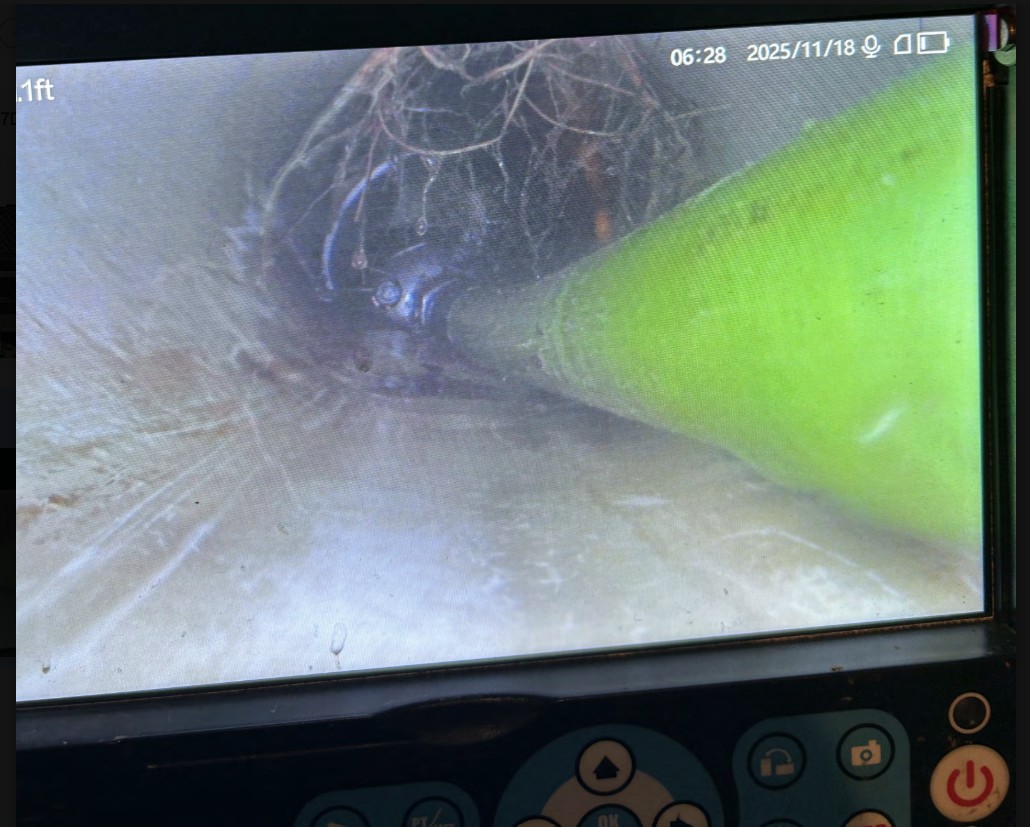
A sewer camera inspection sends a waterproof camera on a flexible cable through your drain or main line, giving your plumber a live view of the inside of the pipe. It shows the condition of the line and pinpoints the problem down to the foot, all without digging up a yard or opening a wall.
Most drain trouble gets treated from the outside in. A cable clears the blockage, water moves again, and nobody finds out why it backed up. A camera reverses that order. Looking first tells you whether the line needs a straightforward drain cleaning or an actual repair, and it means any digging happens in one spot instead of several.
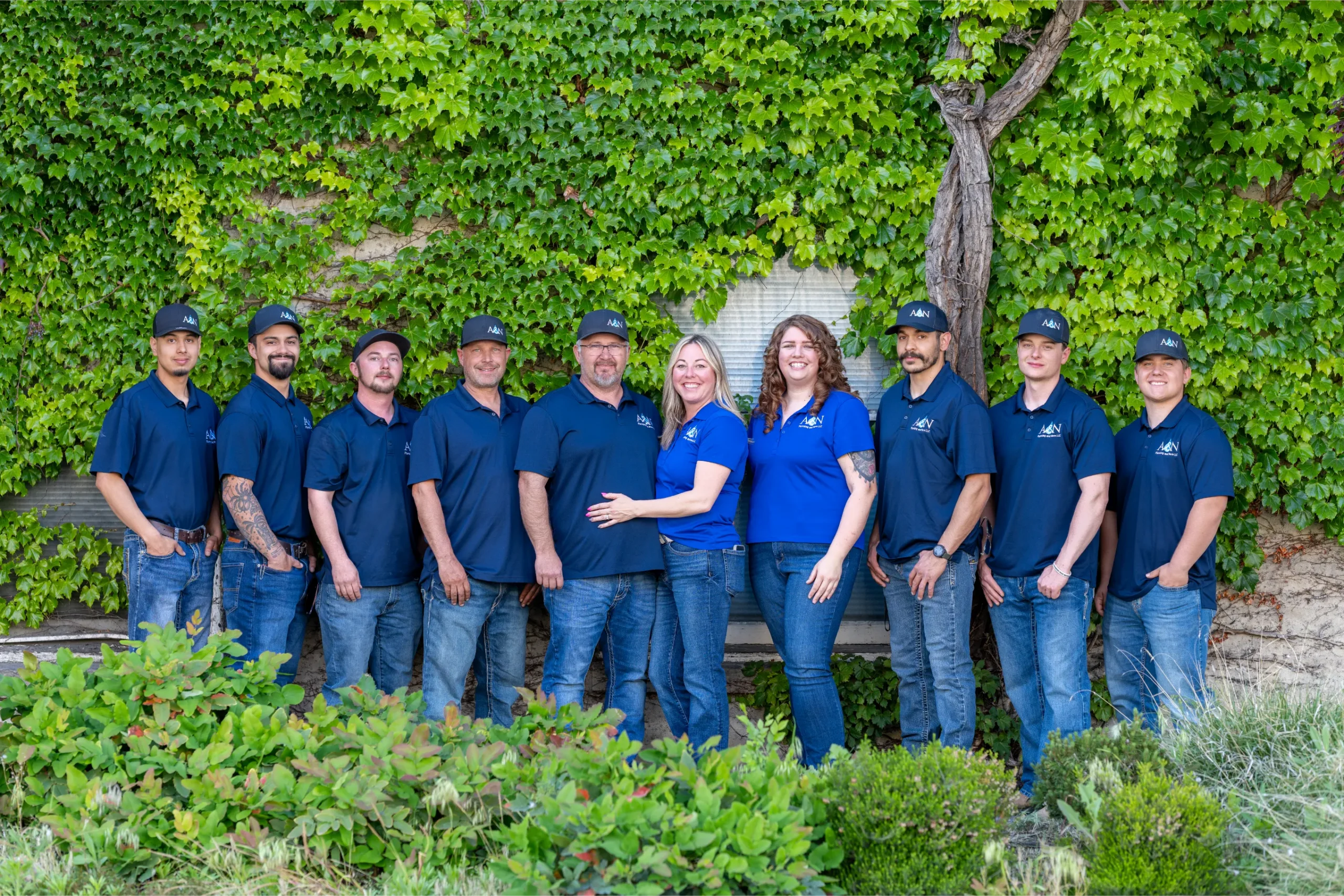
A&N Plumbing has been running camera inspections across North Central Washington since 2015. The approach is the same on every call: look first, show you what we find, then recommend only the work the line needs.
Every inspection follows the same process, so you know what to expect before the truck pulls up.
You leave the appointment knowing the condition of your line, where the problem sits, and what it will take to fix it. Pricing depends on the line and the access, so call for a quote before we schedule.
Disclosure: Some restrictions or conditions may apply, call for details. Offer may be subject to credit approval. Must present offer at time of service. Not available to combine with other offers/promotions.
No matter what the camera turns up, you see the full picture before any work starts. Our technicians walk you through the condition of the line, what caused the problem, and which repair actually solves it. The decision stays yours, made with real information instead of assumptions.

No matter what the camera turns up, you see the full picture before any work starts. Our technicians walk you through the condition of the line, what caused the problem, and which repair actually solves it. The decision stays yours, made with real information instead of assumptions.
A sewer camera inspection can find tree roots growing into the line, cracked or collapsed pipe, sections that have sagged and hold standing water, grease and scale narrowing the pipe, and corrosion inside older metal lines. It also shows how far the damage runs and how deep the pipe sits, which is what determines the repair.
These problems can look identical from the top of a drain. They are not the same job, and they do not cost the same to fix.
Roots find a joint or a small crack and grow toward the water inside, then spread until waste cannot get past. Clearing them is only half the job, because the opening that let them in has to be sealed or repaired or they come back.
Ground movement, settling, or plain age pulls a section out of alignment. Depending on how much of the line is affected, this calls for a spot repair, pipe lining, or replacing that section.
The pipe has failed and waste has nowhere to go. There is no clearing a collapse; that section has to be replaced, and the camera tells us exactly how much of it.
The line has settled into a dip that holds water and waste instead of draining. It looks like a recurring clog and gets treated like one for years, when the actual fix is correcting the slope.
Years of buildup narrow the pipe from the inside until the opening is a fraction of what it should be. This one is good news, because a thorough cleaning usually restores full flow.
Older cast iron and galvanized lines flake from the inside, and the rough surface catches everything that passes. Lining or replacement depends on how much usable pipe is left.
The difference matters because the wrong repair is expensive twice. Clearing roots out of a line that has already collapsed buys a few weeks. Replacing a line that only needed cleaning costs thousands more than it had to. A drain camera inspection is how you land on the right answer the first time, and that applies just as much to homes on septic systems, where a failing line and a failing tank can produce the same symptoms at the drain.
The clearest sign you need a drain camera inspection is a drain problem that keeps coming back or affects more than one fixture. A single slow sink is usually a local clog. When several drains slow down together, or the same line backs up every few months, the trouble is further down in the main line where nobody can see it.
Any one of these is worth a look. Two or more together usually means the line has an underlying problem that cleaning alone will not solve. An inspection settles it in a single visit instead of another round of clearing that does not hold.
These problems can look identical from the top of a drain. They are not the same job, and they do not cost the same to fix.
A standard home inspection does not include the sewer line. Inspectors check what they can see, and the line running from the house to the city main is buried. A sewer camera inspection, which buyers and agents often call a sewer scope, is the only way to know its condition before you buy.
Once the sale closes, that line is your responsibility. In most areas the homeowner owns the sewer lateral all the way out to the city main, so a break under the driveway or a root-filled section in the front yard becomes the new owner’s bill. Sellers are usually not hiding anything. A sewer line gives no warning until it fails, so most of them have no idea either.
Older homes are worth the extra look. Clay and cast iron were standard for decades and both wear out, and mature trees near a line have had years to work roots into the joints. Running a camera during your inspection period tells you whether the line has good years ahead or is close to failing, and it gives you something specific to bring back to the table.
We run the camera, walk you through the footage, and send a written report you can share with your agent. Either way, you find out before closing instead of after.
Drain trouble is not the place for guesswork or a rushed quote. A&N Plumbing runs every drain camera inspection the same way: look first, show you what the footage shows, then recommend only the repair the line actually needs. No upsell, and no tearing up a yard that did not have to be touched.
That evaluation-first approach is a big part of why the company has grown from one Washington location to a second now serving homeowners across Arizona. Wherever we work, the standard does not change: when the job is done, you know what is in your line, what the repair involves, and why. .
You do not have to keep guessing at a drain that will not stay clear. A camera inspection gives you a straight answer about the condition of your line, and it usually takes less than an hour. Whether you are dealing with a backup that keeps coming back or checking a line before you buy a house, knowing what is down there puts you back in control of the decision.
A&N Plumbing inspects sewer and drain lines throughout North Central Washington, and the same team that runs the camera handles the repair if you need one. Call us or request service online, and we will get someone out to take a look.

What you get from A & N Plumbing & More:
Diagnostic fee waived if we do the work.
Disclaimer: *Some restrictions or conditions may apply, call for details. Offer may be subject to credit approval. Must present offer at time of service. Not available to combine with other offers/promotions.
What you get from A & N Plumbing & More:
Diagnostic fee waived if we do the work.
Disclaimer: *Some restrictions or conditions may apply, call for details. Offer may be subject to credit approval. Must present offer at time of service. Not available to combine with other offers/promotions.
Diagnostic fee waived if we do the work.
Disclaimer: *Some restrictions or conditions may apply, call for details. Offer may be subject to credit approval. Must present offer at time of service. Not available to combine with other offers/promotions.
Pricing depends on the line. Length, where the access point sits, whether the property has a cleanout, and whether a toilet has to be pulled all change the work involved, and commercial lines usually take longer than residential. Call (509) 888-1933 and we will quote you before anything gets scheduled.
Most inspections take 30 to 60 minutes. The camera work itself is often only 10 or 15 minutes. The rest is finding the best access point, running the line, and going through the footage with you so you understand what you are looking at. Longer or harder-to-reach lines add time.
Usually through a cleanout, which is the capped access point on the line outside the house or in a basement or crawlspace. If a property does not have one, we can run the camera through a toilet drain by pulling the toilet, then reset it when the inspection is finished.
Every one to three years works for most homes. Older properties, clay or cast iron lines, and yards with mature trees near the line do better on the shorter end of that range. Newer PVC lines with no history of trouble can go longer between inspections.
Yes. If a ring or another valuable goes down a drain, a camera can locate it in the line so it can be retrieved without tearing out plumbing. Call as soon as it happens and stop running water, since flow can push the item further down the line.
