

A sewer line carries everything that leaves your home, so when it cracks, clogs, or backs up, the problem rarely stays quiet for long. Many homes across North Central Washington still run on older clay or cast-iron pipes, and years of mature tree roots and shifting, freezing ground wear down lines that were never built to last forever. A&N Plumbing starts every job with a real diagnosis instead of a guess, then tells you straight whether a targeted repair will hold or the line needs replacing. You will know exactly what is happening underground and what it takes to set it right before any work begins.
Not every sewer line problem needs the same fix. The right call depends on the pipe material, how far the damage runs, and what is causing it. A&N Plumbing handles the full range:
Whether the line needs a targeted repair or a full replacement, we explain what we found and why before any work begins, so the path forward is clear from the first visit.

A quick diagnostic settles that before you spend a dollar on the wrong fix.
A quick diagnostic settles that before you spend a dollar on the wrong fix.
Sewer line trouble usually starts quietly and builds. Catching it early is often the difference between a targeted repair and a full replacement, so it helps to know what the first warning signs look like. If you notice any of these around your home, it is worth having the line looked at.
When several drains slow down at once, the problem is usually in the main sewer line, not a single clog. If it is isolated to one sink or tub, drain cleaning may be all you need, but multiple slow drains point further down the line.
Gurgling or bubbling when you run water means air is trapped in the line by a partial blockage. It signals that waste is not moving freely, and it usually worsens until the line is cleared.
Wastewater coming back up is one of the clearest signs of a failing sewer line. It typically means the line is blocked, broken, or collapsed between the house and the main.
A healthy sewer line is sealed, so a lingering sewage odor inside or in the yard usually means the line has cracked or pulled apart somewhere.
An unusually green or soggy patch can mean the line below it is leaking. Escaping wastewater acts like fertilizer, so the grass over a cracked line grows faster than the rest.
In advanced cases, a leaking line washes soil out from under the home and contributes to foundation cracks or settling. This one is serious and worth a professional look right away.
Sewer line damage only spreads, and a small crack today is a dug-up yard tomorrow. Catching it now is what keeps a repair from becoming a replacement.
Sewer line work feels like a black box to most homeowners, which is exactly why people put off the call. Here is how a repair or replacement actually goes with A&N Plumbing:
Many sewer line repairs across North Central Washington can be done trenchless, fixing or relining the pipe from the inside through small access points so your yard, driveway, and landscaping stay intact. When a line is too far gone for that, a full replacement is the longer-lasting fix, and we size the new pipe to hold for decades.
Throughout the job, you are never left guessing. We walk you through what we found, lay out the repair and replacement options side by side with the costs, and let you make the call with the full picture in front of you. Nothing gets done to your line that you did not approve first.
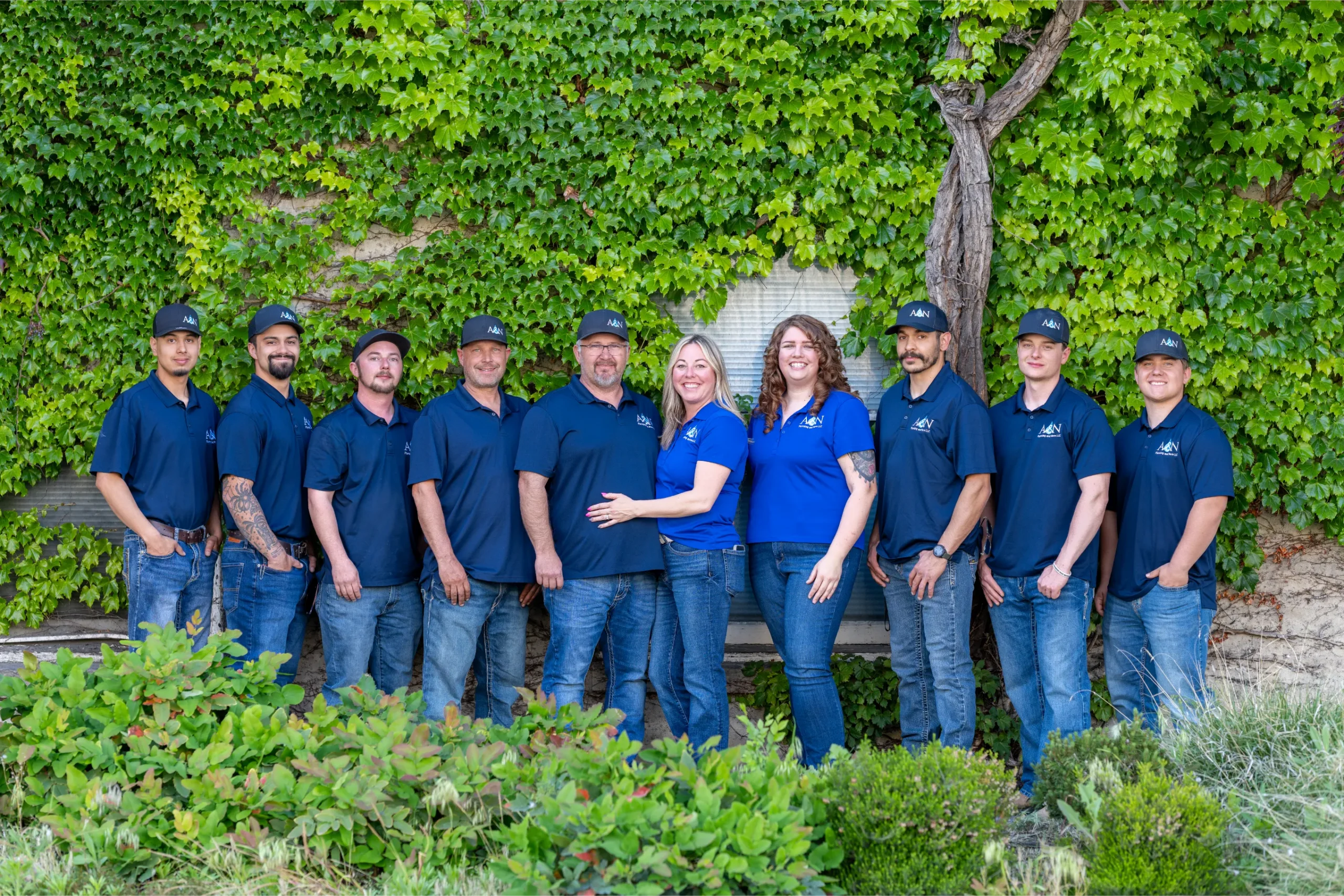
Sewer line repair is not the place for guesswork or a rushed quote. A&N Plumbing has handled this work across North Central Washington since 2015, with the same approach on every line: inspect first, explain what we find, then fix only what the line actually needs. No upsell, and no tearing up a yard that did not have to be touched.
That steady, evaluation-first reputation is a big part of why the company has grown from one Wenatchee location to a second now serving homeowners across Arizona. Wherever we work, the standard does not change: when the job is done, the line drains the way it should, and you know exactly what was repaired and why.
A failing sewer line only gets worse, and more expensive, the longer it waits. The sooner we get a camera on the problem, the more likely it is a straightforward repair instead of a full replacement.
A&N Plumbing diagnoses the line, lays out your options, and handles the repair or replacement the right way the first time. Contact our team to schedule your sewer line diagnostic.

What you get from A & N Plumbing & More:
Diagnostic fee waived if we do the work.
Disclaimer: *Some restrictions or conditions may apply, call for details. Offer may be subject to credit approval. Must present offer at time of service. Not available to combine with other offers/promotions.
What you get from A & N Plumbing & More:
Diagnostic fee waived if we do the repair.
Disclaimer: *Some restrictions or conditions may apply, call for details. Offer may be subject to credit approval. Must present offer at time of service. Not available to combine with other offers/promotions.
Most sewer line repairs take one to three days, depending on the pipe’s location, the type of damage, and whether the line is repaired or fully replaced. Trenchless repairs are often faster since they need only small access points, while a full excavation and replacement takes longer.
Tree roots are the most common cause. They work into the pipe through small gaps at the joints, then grow and break it apart over time. Older clay and cast-iron lines are especially vulnerable, and ground movement, corrosion, and age all add to the wear.
It depends on how much of the line is damaged and the condition of the pipe. A single cracked or root-damaged section can usually be repaired, while a line that is collapsed, badly corroded, or failing in several spots is often more cost-effective to replace. A camera inspection settles it.
Sewer line repair cost depends on the type of damage, how much of the line is affected, the depth and location of the pipe, and the repair method. Trenchless and small spot repairs sit at the lower end, while full replacements cost more. A&N Plumbing provides a clear quote after inspecting the line.
Yes. A broken sewer line can leak wastewater into the soil around your home, create sewer gas odors, and in serious cases wash out soil and contribute to foundation settling. It is worth addressing early, before a small leak turns into a larger and more expensive repair.