By late September, mornings in the Wenatchee Valley start to feel different. The air cools off overnight, afternoon heat fades earlier, and yard work shifts from watering to cleanup. Plumbing tends to sit at the bottom of the list during that stretch, which is part of why the first hard freeze catches so many homeowners off guard.
Most of what homeowners want to know about how to prevent frozen pipes comes down to two things: timing and location. Knowing roughly when the valley’s first freeze tends to arrive gives you a window to work in. Knowing which pipes in your particular home are most exposed tells you where to spend that time.
This guide covers when that window usually opens, what to check inside and outside the house, how the answer shifts depending on where you live in the valley, and one drain problem that tends to surface every fall for reasons that have nothing to do with the cold.
TL;DR
- Wenatchee’s first freeze typically arrives in the last week or two of October, which makes late September through mid-October the practical window for plumbing prep.
- Outdoor spigots, irrigation lines, and pipes running through crawl spaces, garages, and exterior walls are where freezing almost always starts.
- Fall is also an active growth period for tree roots, so slow drains across several fixtures this time of year often point to the sewer line rather than a single clog.
Wenatchee’s First Freeze Arrives Earlier Than Most People Plan For
Wenatchee sits in a cold semi-arid climate, which means dry summers and winters that get genuinely cold. Based on NOAA climate normals, the first fall frost in the area typically lands in the last week or two of October. By December, overnight lows average around 24 degrees.
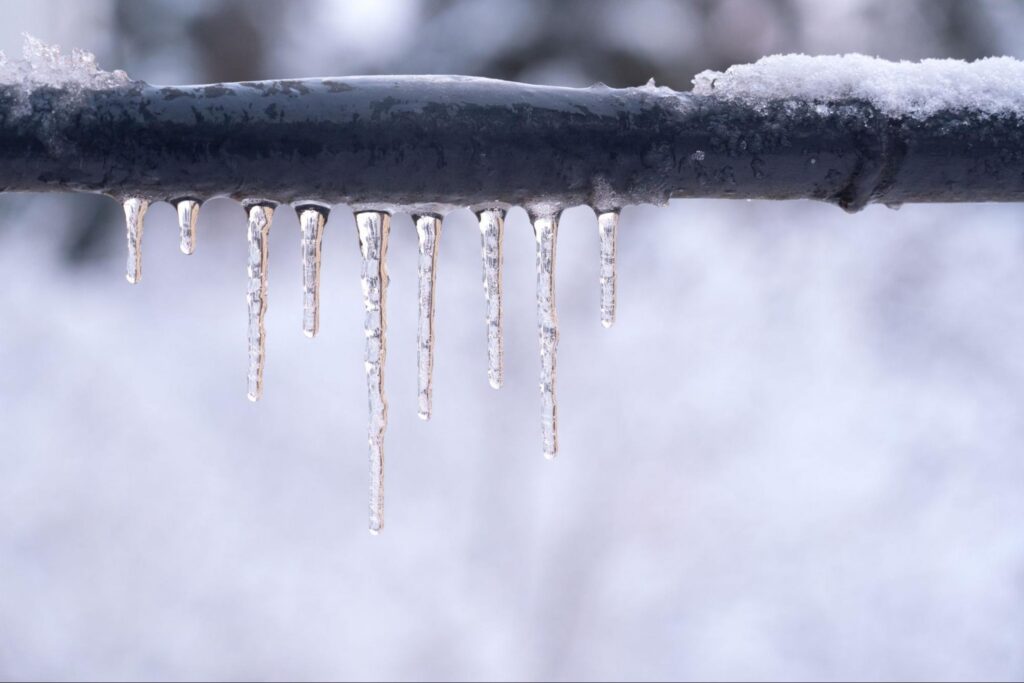
There is also a wide gap between daytime and overnight temperatures here, shaped by the valley’s terrain. A mild afternoon in the mid-50s can still be followed by a night that drops below freezing. That pattern matters, because pipes rarely freeze during the day. They freeze during the hours nobody is watching.
The practical takeaway is that the window for fall plumbing prep runs from roughly late September through mid-October. Working inside that window leaves time to find problems while the weather still cooperates. If something has already gone wrong, common winter plumbing problems in Wenatchee homes covers what tends to show up once the cold settles in.
How to Prevent Frozen Pipes In and Around the House
Most frozen pipe problems start in a small number of predictable places. Working through them in order takes an afternoon in most homes.
Outdoor Spigots and Hose Connections
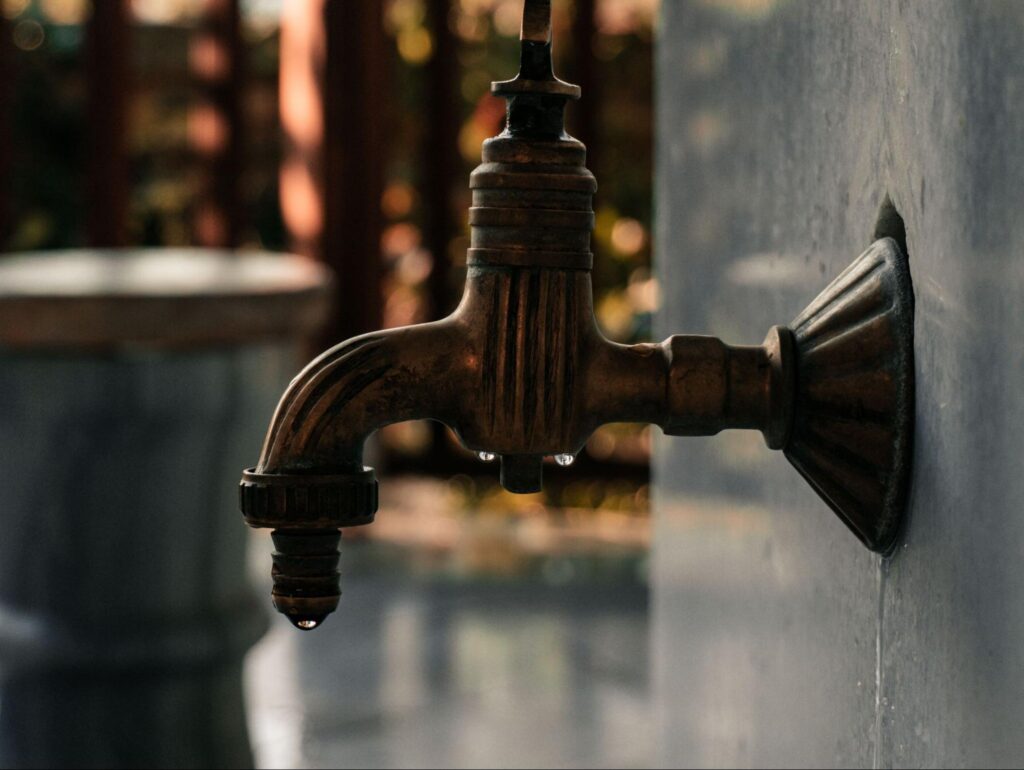
Disconnect and drain garden hoses before the first freeze. Water left sitting in a hose holds pressure against the spigot, and even a small amount trapped in that line can freeze and split the pipe inside the wall. If your spigots are not frost-free models, shut off the interior supply valve and open the outside faucet so the line can drain.
Irrigation and Outbuilding Lines
These lines should be cleared before overnight temperatures start dipping below freezing. Most irrigation systems need compressed air to empty fully rather than draining on their own, which is why that work is typically scheduled ahead of the season. Plumbing running to a shop or outbuilding can be shut off at its supply valve and drained the same way an outdoor spigot is.
Crawl Spaces, Garages, and Exterior Walls
Pipes running through unheated space are the ones most likely to freeze. Crawl space plumbing, laundry lines on an exterior wall, and supply lines crossing an attached garage all lose heat faster than the rest of the system. Foam pipe insulation is inexpensive and makes a real difference on exposed runs. Sealing the gaps where cold air enters a crawl space or rim joist helps just as much.
Knowing Where the Main Shutoff Is
If a pipe does fail, the difference between a small repair and a large one usually comes down to how quickly the water stops. Find your main shutoff now, confirm it actually turns, and make sure everyone in the household knows where it is. A valve that has not been moved in years sometimes will not close when it finally needs to, and October is a much better time to learn that than January. If yours is stuck or weeping, pipe and water line repair is a straightforward fix ahead of the season.
Where Your Home Sits in the Valley Changes What to Check First
The Wenatchee Valley covers a lot of ground, and a 1940s home near Western Avenue has different weak points than a 1990s build in Fancher Heights. The table below outlines what tends to matter most across the service area.
| Area | What Makes Fall Different Here | Where to Start |
|---|---|---|
| Wenatchee (central, Western Ave, foothills) | The median home dates to 1977, and roughly one in five was built before 1950. Mature street trees often sit close to older service lines. | Sewer line, crawl space plumbing |
| East Wenatchee, Eastmont, Fancher Heights | Housing skews toward 1970s through 1990s construction, with newer development continuing. | Outdoor spigots, garage and laundry wall lines |
| Sunnyslope | Larger lots and custom homes, often with longer water runs out to shops and outbuildings. | Irrigation lines, outbuilding plumbing |
| Cashmere and Monitor | Orchard country, with mature trees growing near older service lines. | Sewer or septic line, tree proximity |
| Chelan, Manson, Leavenworth, Lake Wenatchee | Many homes sit empty through cold stretches with nobody to catch a problem early. | Full shutoff and drain down before leaving |
None of this is a rule, and plenty of homes fall outside the pattern. It is a starting point for deciding where to spend your time first. For homes built before 1960, the age of the plumbing usually matters more than the address, and why plumbing issues in older homes are common in Wenatchee covers what tends to wear out in those systems.
Why Fall Is When Tree Root Problems Start Showing Up in Drains
Freezing is not the only thing changing underground this time of year. Trees shift energy through the seasons, and that rhythm works against sewer lines in the fall.
Once leaves drop and the canopy stops drawing energy, trees move it into their root systems instead. According to University of Illinois Extension, roots go through a flush of growth in fall while soil temperature and moisture stay moderate, then slow down as the ground cools toward mid-winter.
Sewer lines offer steady water and warmth, which makes them an easy target for roots already moving through the soil. Roots rarely cause a sudden backup. They restrict flow gradually, catching debris as they grow, until the change in drainage becomes hard to ignore.
Signs worth paying attention to this time of year include:
- Several fixtures draining slowly at the same time rather than one isolated sink
- Gurgling from a toilet after it is flushed
- Clogs that come back within weeks of being cleared
- Backups showing up first in lower drains such as a tub or floor drain
One slow sink is usually a fixture problem. When the pattern shows up across the house, the restriction is often deeper in the line, and drain cleaning and clearing restores proper flow in many cases.
If roots turn out to be the cause, tree roots in sewer lines walks through how they get in and what the repair options look like.
When a Camera Inspection Makes Sense Before the Ground Freezes
Not every home needs its sewer line looked at each fall. An inspection earns its place when there is already a reason to think something is restricting flow.
That usually means one of a few situations: drainage that has slowed across the house, clogs that keep returning, an older home still running original clay or cast iron piping, or large trees growing near the line. Looking inside the pipe answers whether roots are present, where they entered, and whether the pipe itself has been damaged.
There is a practical reason to handle it in fall rather than waiting. Once the ground freezes, any repair requiring excavation becomes more disruptive and more expensive. Finding the problem in October leaves room to plan the work instead of reacting to a backup in January.
A drain camera inspection gives a clear picture of the line’s condition before winter sets in.
Leaving a Home Empty This Winter
Vacation homes and second properties around Chelan, Manson, Leavenworth and Lake Wenatchee carry a different kind of risk. A frozen pipe in an occupied house gets noticed within hours. In an empty house, water can run for days before anyone walks in.
Before closing a property for the season, shut off the main water supply and drain the system rather than relying on the heat staying on. Power outages happen, and a thermostat set to 55 degrees does nothing if the furnace is not running. If you are not sure how your system drains or whether the shutoff is working, having it looked at before you leave is worth the trip out.
Arranging for someone to check the property through the winter is also worth the effort, particularly after a hard cold snap.
Frozen Pipe Prevention Questions From Wenatchee Homeowners
When should I start winterizing plumbing in Wenatchee?
Late September through mid-October works well for most homes, which puts you a few weeks ahead of the area’s typical first frost. That buffer matters if something needs a part or a repair. If you only have one weekend, start with outdoor spigots and irrigation lines, since those fail first and cause the most damage.
What should I do if a pipe is already frozen but has not burst?
Leave the faucet open so water can move once the ice starts melting, then warm the pipe slowly with a hair dryer or space heater kept at a safe distance. Never use an open flame. If the pipe is inside a wall or you cannot reach it, shut off the water and call a plumber.
Does leaving a faucet dripping actually prevent frozen pipes?
A slow drip helps during a short cold snap, since moving water freezes more slowly than still water. It is a temporary measure rather than a substitute for insulating exposed pipes and sealing the gaps that let cold air reach them. Use it for a few hard nights, not all winter.
Which pipes freeze first in most homes?
Pipes in unheated space go first. Crawl space runs, lines along exterior walls, plumbing crossing an attached garage, and outdoor spigots all lose heat faster than pipes inside the heated part of the house. Homes with interior plumbing runs and finished basements tend to have fewer problem spots.
My drains are slow this fall. Is that related to the cold?
It can be, though fall root growth is often the cause when several fixtures slow down together. Cold weather also hardens grease and buildup inside pipes, which narrows them further. When buildup is the problem, hydro jetting clears the line more thoroughly than standard snaking.
Should I insulate pipes myself or have a plumber handle it?
Foam sleeves on accessible pipes in a crawl space or garage are a reasonable homeowner project. Lines inside walls, anything that calls for heat tape, and a main shutoff that will not close are worth handing off. Insulation installed loosely in tight spaces can leave gaps where cold still reaches the pipe.
When should I start winterizing plumbing in Wenatchee?
Late September through mid-October works well for most homes, which puts you a few weeks ahead of the area’s typical first frost. That buffer matters if something needs a part or a repair. If you only have one weekend, start with outdoor spigots and irrigation lines, since those fail first and cause the most damage.
What should I do if a pipe is already frozen but has not burst?
Leave the faucet open so water can move once the ice starts melting, then warm the pipe slowly with a hair dryer or space heater kept at a safe distance. Never use an open flame. If the pipe is inside a wall or you cannot reach it, shut off the water and call a plumber.
Does leaving a faucet dripping actually prevent frozen pipes?
A slow drip helps during a short cold snap, since moving water freezes more slowly than still water. It is a temporary measure rather than a substitute for insulating exposed pipes and sealing the gaps that let cold air reach them. Use it for a few hard nights, not all winter.
Which pipes freeze first in most homes?
Pipes in unheated space go first. Crawl space runs, lines along exterior walls, plumbing crossing an attached garage, and outdoor spigots all lose heat faster than pipes inside the heated part of the house. Homes with interior plumbing runs and finished basements tend to have fewer problem spots.
My drains are slow this fall. Is that related to the cold?
It can be, though fall root growth is often the cause when several fixtures slow down together. Cold weather also hardens grease and buildup inside pipes, which narrows them further. When buildup is the problem, hydro jetting clears the line more thoroughly than standard snaking.
Should I insulate pipes myself or have a plumber handle it?
Foam sleeves on accessible pipes in a crawl space or garage are a reasonable homeowner project. Lines inside walls, anything that calls for heat tape, and a main shutoff that will not close are worth handing off. Insulation installed loosely in tight spaces can leave gaps where cold still reaches the pipe.
Getting Ahead of the First Freeze
Fall plumbing prep is mostly a question of timing. The same work that takes an afternoon in early October turns into an emergency call in December, and the difference is usually just when somebody got to it. Draining outdoor lines, insulating what runs through unheated space, and confirming the main shutoff works covers most of the risk in most homes.
The drain side deserves the same attention. Slow drainage across several fixtures in the fall is often the first sign that something has been developing underground through the growing season, and that is far easier to address before the ground hardens.
A&N Plumbing has worked on homes throughout Wenatchee and North Central Washington since 2015. If something in your system already seems off, or you would rather have it evaluated before the cold settles in, call (509) 888-1933 or reach out to schedule service.