Sewer Line Cleaning & Rooter Services
$49
Sewer Line Cleaning Estimate
Estimate fee waived if we do the work.
Next Day Service Guarantee

Find Out What’s Blocking Your Main Sewer Line
A technician will check the line, explain what’s causing the backup and walk you through your options before any work begins.
Sewer Line Cleaning That Clears Roots and Main Line Clogs at the Source
Sewer line cleaning typically makes sense when more than one drain backs up at once, toilets gurgle as the washer drains, or the same clog keeps coming back. In many older homes, tree roots in the main line are the underlying cause. A&N Plumbing starts with a $49 estimate, waived if we do the work.
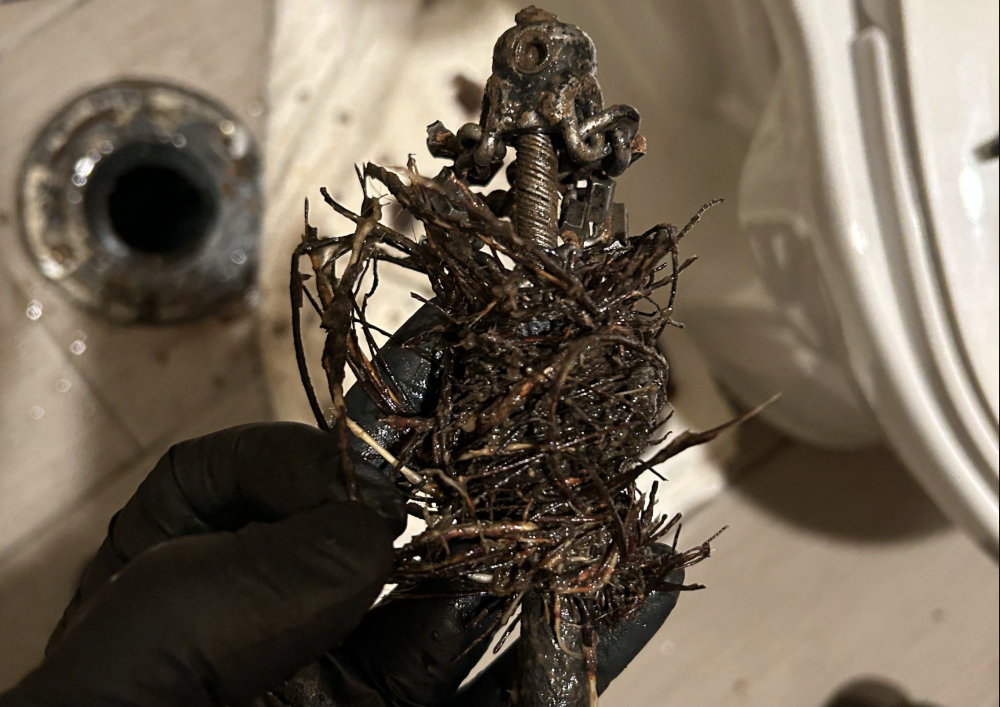
Sewer line cleaning is a service that clears the main pipe carrying your home’s wastewater to the street or septic system, removing roots, grease, and buildup that cause backups. Many older homes across North Central Washington still rely on clay or cast-iron sewer lines, and where mature trees grow nearby, roots tend to work their way into the pipe joints. The signs usually show up inside the house first: a toilet that bubbles when the washer drains, water rising in a basement floor drain, or a clog that clears for a week and then comes back.
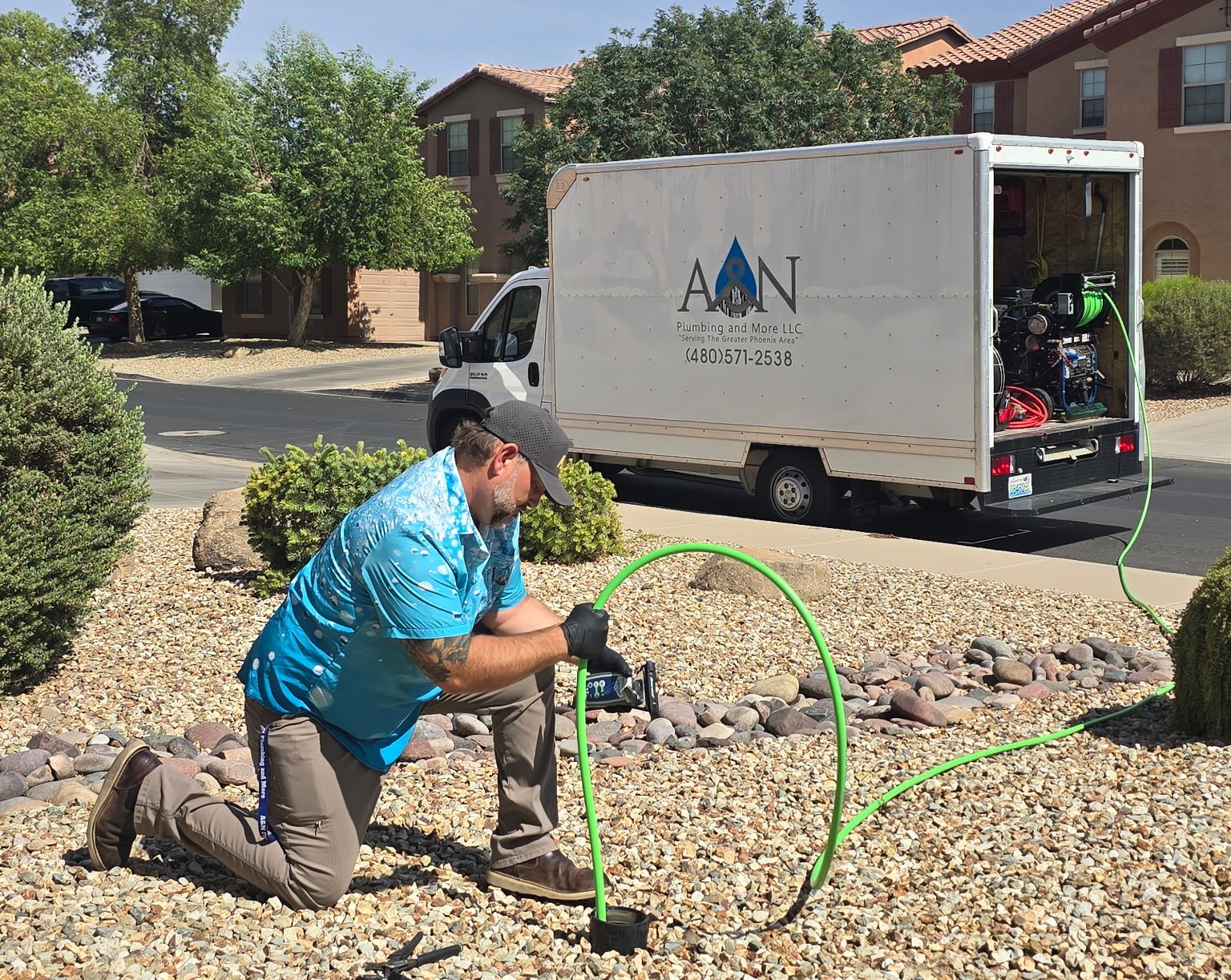
When more than one drain is affected, plunging or treating each fixture only handles the symptom, because the restriction sits farther down in the main line. A&N Plumbing reaches the blockage through your sewer cleanout, using a rooter machine to cut through roots and, when needed, a camera to see what caused the clog in the first place. That second step matters in older homes, since a line that keeps filling with roots may need more than a cleaning to stay clear over the long term.
What a Main Sewer Line Cleaning Includes
A main sewer line cleaning includes finding the best access point, clearing the blockage, and confirming that everything drains properly before the job is done. A standard visit typically covers:
Locating the cleanout. This capped pipe is usually outside near the foundation or inside a basement or crawl space, and it gives direct access to the main line. Homes without an accessible cleanout may need another access point, which can add time.
Clearing the line. The technician feeds cleaning equipment toward the street or septic tank to cut through roots and break up grease or buildup.
Testing the flow. Water runs through the system afterward to confirm drains, toilets, and fixtures are moving freely again.
Inspecting when needed. If the line has backed up more than once, a camera inspection after cleaning shows whether roots are getting in through a cracked joint, a sagging section, or a damaged pipe.
Explaining what was found. You’ll get a plain explanation of the line’s condition and what, if anything, needs attention next.
Longer lines, heavy root growth, and older pipe materials can change how much work it takes to restore full flow.

Benefits of Regular Sewer Line Cleaning
Regular sewer line cleaning restores flow to every drain in the house, lowers the risk of sewage backups, and cuts down on repeat clogs and service calls. Because the work happens in the main line, one visit takes care of every affected fixture at once, instead of chasing the same problem one drain at a time.
Every Drain in the House Moves Freely Again
All of your home’s drains feed into the main line, so a single blockage there can slow sinks, tubs, toilets, and floor drains together. Clearing it restores flow throughout the plumbing system in one visit. That’s why main line cleaning often fixes problems that plungers and store-bought drain cleaners couldn’t.
Lower Risk of Sewage Backing Up Into the Home
A partly blocked sewer line tends to narrow over time as roots and debris collect. Clearing it before it closes off completely keeps wastewater flowing out of the house instead of rising through the lowest drain, which is usually a basement floor drain or shower.
Fewer Repeat Clogs and Service Calls
Removing the blockage at its source breaks the cycle of clearing the same clog every few weeks. Roots can grow back after cleaning, so homes with mature trees nearby often benefit from a cleaning every one to two years. A planned maintenance schedule typically costs less than repeated emergency calls.
A Clear Picture of Your Sewer Line’s Condition
A camera inspection after cleaning shows whether the pipe itself is sound or has cracks, sags, or root entry points. Knowing this early keeps repairs straightforward and gives you time to plan instead of react. If the line does need more work, trenchless pipe lining can often fix it without digging up the yard.
For most homes, a cleared main line means steady drainage and fewer surprises between service visits.
See What a Main Line Cleaning Would Involve for Your Home
Your $49 estimate is waived if we do the work, so you’ll know the scope before you decide.
Signs Your Main Sewer Line Needs Cleaning
The most common signs of a clogged main sewer line are several drains backing up at once, toilets gurgling when other fixtures drain, water coming up through the lowest drain in the house, sewer odors, and clogs that keep returning. The key difference from an ordinary clog is how many fixtures are affected. If only one sink or tub is slow, the problem is usually in that fixture’s own pipe, and drain cleaning typically handles it. When the trouble spreads across the house, the main line is the more likely source.
Several Drains Back Up at the Same Time
A kitchen sink, shower, and toilet that all slow down in the same week rarely have three separate clogs. More often, they share one blockage farther down the line. Treating each drain separately tends to buy a few days at most.
Toilets Gurgle or Bubble When Other Fixtures Drain
Gurgling happens when trapped air is forced back up through the plumbing because water can’t move past a restriction. You might hear it in a toilet when the washing machine empties or after a shower. It’s one of the earliest and most reliable signs of a main line problem.
Water Comes Up Through the Lowest Drain
When the main line is blocked, wastewater has to go somewhere, and it usually rises at the lowest point in the house first. That’s typically a basement floor drain, a lower-level shower, or a ground-floor toilet. Water appearing in a drain you didn’t use is a clear signal to have the line checked.
Sewer Odors Inside or Around the House
A sewage smell near drains, in the basement, or outside near the cleanout can point to wastewater sitting in the line instead of flowing away. Odors often show up before a full backup does, which makes them a useful early warning.
The Same Clog Keeps Coming Back
A drain that clears and then backs up again within weeks usually means the real blockage was never reached. In older homes with trees nearby, this pattern often points to roots growing into the sewer line.
Soggy or Unusually Green Patches in the Yard
A wet spot or a strip of grass that grows greener than the rest can mean the sewer line is leaking underground. This sign usually points to pipe damage rather than a simple clog. A sewer camera inspection can confirm what’s happening without digging.
When several fixtures are affected or the same clog keeps coming back, the restriction is usually farther down the main line. A camera inspection can confirm whether roots or pipe damage are involved.
Rooter, Hydro Jetting, or Pipe Lining: Choosing the Right Sewer Line Fix
The right method depends on what’s blocking the line and the condition of the pipe itself. A cable rooter clears most roots and solid clogs. Hydro jetting scours out grease, scale, and heavy buildup. Pipe lining seals cracked or damaged pipe so roots can’t get back in. A camera inspection is usually what settles the choice, since it shows whether the pipe is sound enough to clean or needs a longer-term repair.
| Method | Best For | How Long Results Last | Main Trade-Off |
|---|---|---|---|
| Cable rooter | Tree roots and solid clogs in most main line backups | Roots often return within 1 to 2 years | Opens a path through the pipe but leaves some buildup on the walls |
| Hydro jetting | Grease, sludge, scale, and fine roots | Typically 1 to 2 years for older lines, with cleaner pipe walls | Requires a pipe in stable condition, so a camera check comes first |
| Pipe lining | Cracked joints, recurring roots, and damaged pipe | 20 years or more | Higher upfront cost, since it’s a repair rather than a cleaning |
Many homes start with a cable rooter, especially when roots are the main problem. If buildup keeps narrowing the line, hydro jetting cleans the pipe walls more thoroughly. When roots return year after year through the same cracked joints, lining the pipe often costs less over time than repeated cleanings.
What Affects the Cost of Sewer Line Cleaning
The cost of sewer line cleaning mainly depends on how the line is accessed, what’s causing the blockage, which method the job needs, and the length and condition of the pipe. Two homes with the same symptoms can need very different amounts of work, which is why an accurate price comes from seeing the line in person.
Cleanout access. An accessible outdoor cleanout lets the technician reach the main line directly. Homes without one may need another access point, which adds labor time.
Type and severity of the blockage. A single clog or light root growth clears faster than a dense root mass or years of grease buildup packed along the pipe.
Cleaning method. Hydro jetting typically costs more than a cable rooter because it uses specialized equipment and usually starts with a camera check.
Length of the line. Longer runs from the house to the street or septic tank take more time to clear completely, especially on larger properties.
Pipe material and condition. Older clay and cast-iron lines need careful handling. Cracked or shifted sections may call for repair, not just cleaning.
Camera inspection. Adding a camera inspection adds to the visit but shows what caused the clog, which can save you from paying for the same cleaning again.
A&N Plumbing’s $49 estimate gives you a clear look at the scope and cost before any work begins.
What North Central Washington Homeowners Say
“They came out and inspected my septic system and Joe Flo was incredibly knowledgeable and took care of the problem with ease. Definitely will be doing more service with them!”
“Called on Saturday with a request to come take a look at some issues we were having with our new home. Louis was there first thing Monday morning. Diagnosed the problem, gave us an estimate, and went to work right away. Within a couple hours waterflow is fixed and the wife is happy again. Very professional service, and excellent young man for their employee. Will absolutely use again. Thank you.”
Talk With Our Team About Your Sewer Line
We offer next-day service, plus 24/7 emergency help for active backups.
Why Homeowners Call A&N Plumbing for Sewer Line Cleaning
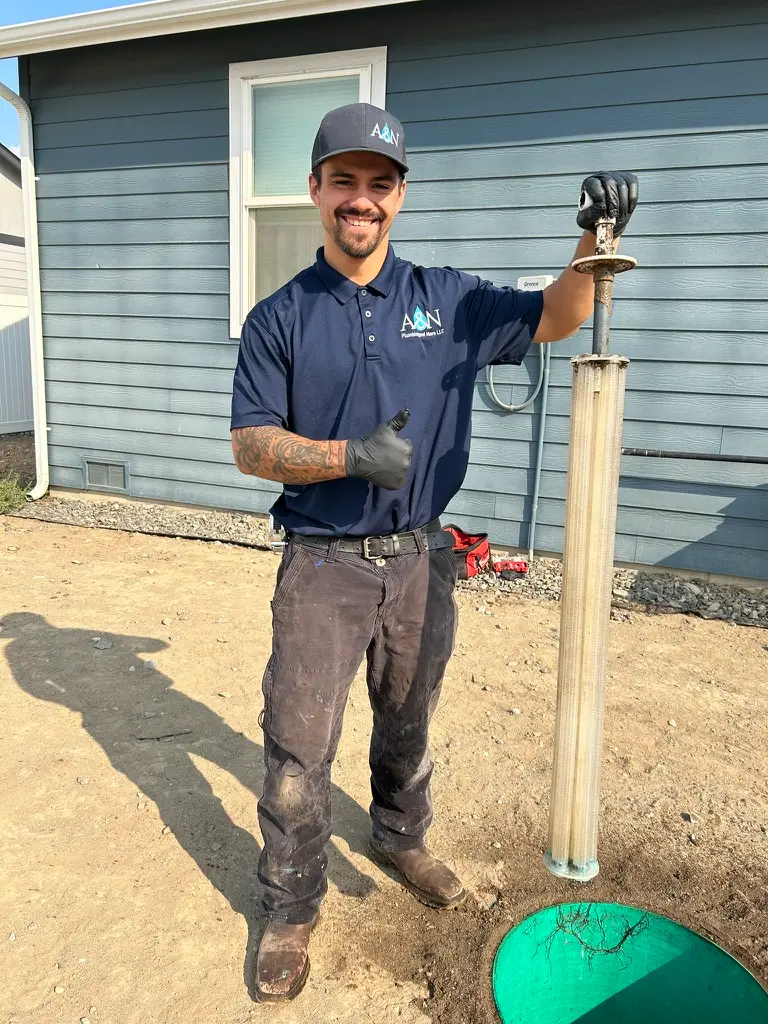
Every sewer line job at A&N Plumbing is backed by owner Nathan Smelser’s Washington plumbing license (#SMELSNB93O05). That license means the work is done to Washington code by a company that answers for its results, which matters on a job where the problem is buried underground and out of sight.
Since 2015, our team has worked on sewer lines across the region, including many older homes where clay and cast-iron pipe and mature trees make root intrusion a recurring issue. That experience helps us recognize the usual trouble spots and match the method to the problem. If a line keeps filling with roots, we’ll show you what the camera found and explain whether another cleaning, hydro jetting, or a repair makes the most sense.
As a full-service plumbing company, we can also handle the repair if one is needed, so you aren’t starting over with a new contractor after the line is cleared.
Sewer Line Cleaning Across North Central Washington
Our team provides sewer line cleaning and rooter services throughout North Central Washington from our shop on South Wenatchee Avenue. We regularly work in Wenatchee, East Wenatchee, Sunnyslope, Malaga, and Rock Island, and we also serve homeowners in Cashmere, Orondo, and Chelan. Many of these communities have established neighborhoods with mature trees and older sewer lines, which is where root-related backups tend to show up most.
Sewer Line Cleaning FAQs
What is rooter service, and is it the same as sewer line cleaning?
Rooter service usually means clearing a drain or sewer line with a motorized cable that has a cutting head on the end. The name comes from the machine, which was built to chew through roots. It’s one of the most common methods used for sewer line cleaning, so the two terms often describe the same job.
Is it cheaper to clean or replace a sewer line?
Cleaning is almost always cheaper upfront, and it’s the right first step when the pipe is in good shape. Sewer line repair or replacement starts to make more financial sense when roots keep returning through cracked joints or the line has sagged or collapsed. A camera inspection shows which situation you’re dealing with before you commit to either.
How long does sewer line cleaning take?
Most main sewer line cleanings take about one to three hours. Easy cleanout access and a simple clog can make it faster, while heavy root growth, a long line, or a camera inspection added after cleaning can stretch the visit. Your technician will give you a time estimate once they’ve looked at the line.
How often should a sewer line be cleaned?
A home with no history of backups usually doesn’t need routine sewer line cleaning. Homes with tree roots in the line are different, since roots grow back after they’re cut, and cleaning every 1 to 2 years often keeps them from closing off the pipe. Older homes near large trees tend to fall into this group.
Can I clean my own sewer line with a rental snake?
You can, but rental cable machines carry real risks in a main sewer line. The cable can get stuck, damage older clay pipe, or punch a small hole through a root mass that closes again within weeks. If a clog keeps returning or more than one drain is affected, a professional cleaning is usually the more reliable fix.
Get a Firm Price on Your Sewer Line Before Any Work Begins
When you reach out, a technician comes to your home, checks the line at the cleanout, and explains what’s causing the backup. You’ll get a firm price and a clear recommendation before anything is cleared, and the $49 estimate fee is waived if we do the work. There’s no obligation to move forward.
As a family-run company, we’d rather explain your options clearly than push a bigger job than you need. You can contact our office online or call us directly.