
Diagnostic fee waived if we do the work.

We test the pump, float switch and discharge line, then explain what we found before any work begins.
Homeowners typically need sump pump repair when the pump runs without stopping, won’t switch on, starts grinding or rattling, or water shows up on the basement or crawl space floor. Most sump pumps last 7 to 10 years, so older units are often worth replacing. A&N Plumbing starts with a $49 diagnostic, waived if we do the work.
Sump pump repair is the process of finding and fixing whatever stops a sump pump from moving groundwater out of its pit and away from your foundation. Done right, it keeps your basement or crawl space dry when North Central Washington gets wet. That includes spring snowmelt and storms like the one in December 2025, when the Wenatchee River hit its highest level since 1995. Trouble usually shows up as a pump that hums but moves no water, or a damp line spreading across the floor.
Replacing the pump alone often leaves the real cause in place, especially in older homes where the pit and discharge line may be decades old. A&N Plumbing checks the full setup, from the float switch to the line that carries water away. Then we explain whether a repair, a replacement, or a battery backup sump pump makes the most sense for your home.
A sump pump repair covers every part of the system that moves water out of your home, not just the pump. Each visit starts with a full test, so the fix matches what actually failed.
The pump and motor. We confirm the pump starts, moves water, and shuts off on its own, and we clear debris from the intake.
The float switch. A float that hangs up on the pit wall or a worn switch gets adjusted or replaced so the pump turns on when it should.
The check valve. This valve keeps pumped water from flowing back into the pit. A failed one makes the pump run far more than it needs to.
The discharge line. We clear clogs and check that the line carries water well away from your foundation, including the outdoor outlet where ice tends to form in winter.
The power supply. A tripped outlet or overloaded circuit can shut down a healthy pump, so we check the connection and any existing battery backup.
The pit itself. Silt, gravel, and debris that settle in the pit get cleaned out so they don’t jam the pump later.
Many repairs come down to one or two of these parts. If the pump itself is worn out, sump pump replacement or a new installation is often the more practical choice, and we’ll walk you through the options first.

Professional sump pump repair protects your foundation, flooring, and anything stored below grade from groundwater. It also tends to add years to a pump that might otherwise be replaced early. The biggest payoff is a lower level that stays dry when the ground is saturated, without you having to watch the pit.
A working sump pump keeps groundwater from seeping through the slab or pooling in the crawl space during spring snowmelt and heavy storms. That protects drywall, flooring, and equipment like furnaces and water heaters. It also keeps humidity down, which helps limit mold and musty odors.
Many sump pump problems come from one part, such as a stuck float switch or a failed check valve, rather than the motor itself. On a pump less than 7 years old, fixing that part usually costs less than a new installation. It also stops the constant on and off cycling that wears a motor out early.
A standard sump pump stops when the power does, and outages often come with the same storms that raise groundwater. A battery backup sump pump takes over until power returns, so water keeps moving out of the pit. The batteries typically need replacing every 3 to 5 years, which is easy to check during a service visit.
Testing the whole system shows whether your pump has years left or is near the end of its 7 to 10 year lifespan. That lets you replace it on your own schedule instead of after it fails. Planned replacements also give you time to compare pump types and add a backup if it makes sense.
A sump pump usually only gets noticed when it stops working. A repair done at the source keeps it out of mind for years.
A $49 diagnostic gives you a clear answer, and the fee is waived if we do the work.
A sump pump usually shows trouble through sound, timing, or water where it shouldn’t be. Most of these signs build slowly, so catching them early often keeps the fix to a single part instead of a full replacement.
A pump that runs constantly or kicks on every minute or two is working harder than it should. The cause is often a float stuck in the on position, a failed check valve sending water back into the pit, or a pump too small for the space. Constant running also wears the motor out faster.
When the pit fills and the pump stays silent, the problem is often electrical. A tripped outlet, a burned-out motor, or a float that can’t rise are the usual causes. Check the outlet first, and if the pump still won’t start, it’s time for a professional assessment.
A healthy sump pump makes a steady hum. Grinding or rattling often means gravel or debris has reached the impeller, while loud humming with no water moving can point to a jam or a failing motor. These sounds tend to get worse, not better.
Water near the pit, a damp strip along the base of a wall, or a musty smell all suggest the pump isn’t keeping up. Sometimes the pump is fine and the discharge line is blocked or frozen, so the water has nowhere to go.
Rust on the pump housing, a corroded discharge pipe, or a battery backup that won’t hold a charge are signs of wear. On a pump that has been in service for most of a decade, frequent repairs usually mean replacement is the better value.
A repair often makes sense for a newer pump with one failed component. When the unit is near the end of its service life, replacement may offer better long-term value.
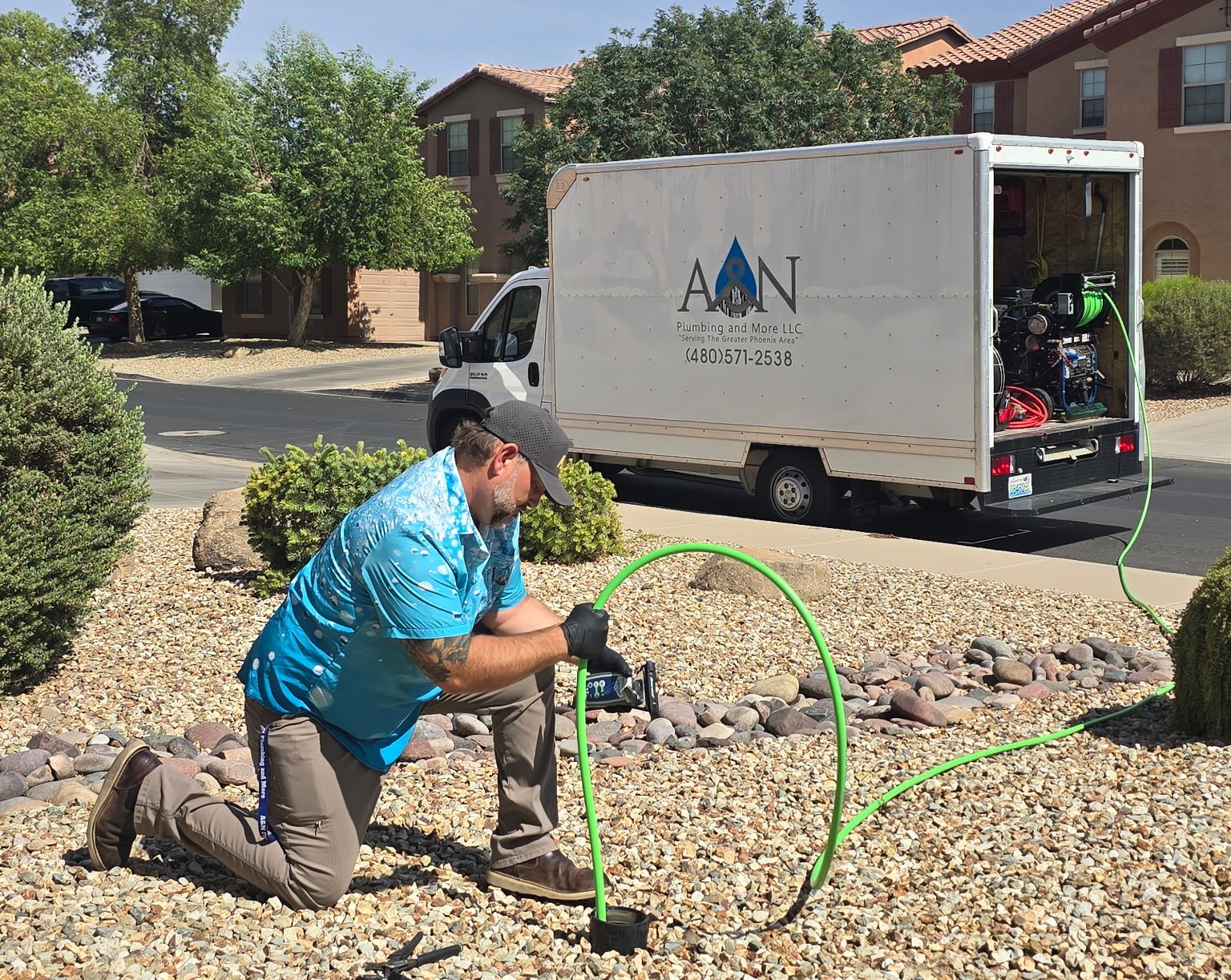
The right sump pump setup depends on how much water the space takes on, the size of your pit, whether the area is finished, and how often your home loses power. Submersible pumps are the most common choice, and many homes add a backup for storm season.
| Setup | How It Works | Best Fit | Main Trade-Off |
|---|---|---|---|
| Submersible pump | Sits underwater inside the pit in a sealed housing | Finished basements and pits that take on steady water | Quieter, but has to be pulled from the pit for service |
| Pedestal pump | Motor sits on a column above the pit | Small or narrow pits in unfinished spaces | Easier to service, but louder and takes up floor space |
| Battery backup system | A second pump runs on battery when the power or main pump fails | Finished spaces and homes that lose power in storms | Battery needs replacing every 3 to 5 years |
| Water-powered backup | Uses city water pressure to move water out of the pit, no battery needed | Homes on city water that want backup without battery upkeep | Uses water while running and won’t work on a private well |
A finished basement usually calls for a quiet submersible pump with a backup. A small, unfinished crawl space may only need a pedestal pump. For homes on a private well, a battery backup is the practical choice, since a water-powered unit has to tie into a water line with steady city pressure.
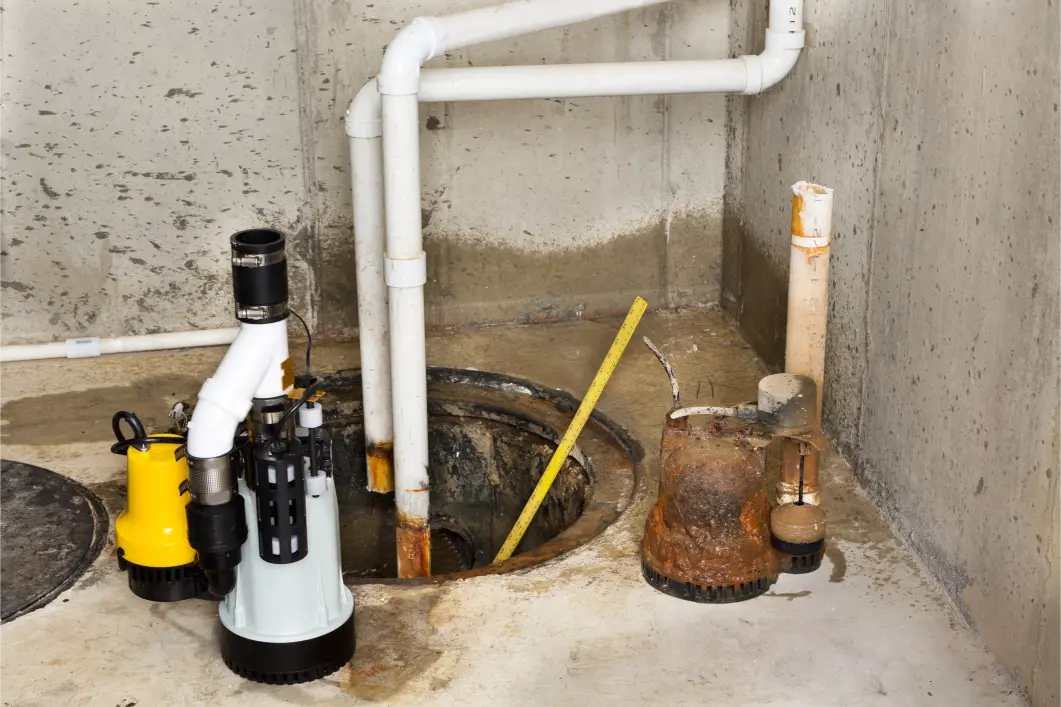
The cost of sump pump work depends mostly on whether you need a repair, a replacement, or a new installation. National cost guides put a typical sump pump replacement at about $300 to $750, and a new installation at about $800 to $1,500. Your exact price depends on what the technician finds once the system is tested.
Repair, replacement, or new installation. Swapping a float switch or check valve is a small part repair. Installing a pump where there was none means cutting into the floor for a new pit, which is a much larger job.
Pump type and size. A submersible pump typically costs more than a pedestal pump, and higher horsepower models cost more than smaller ones. The right size depends on how much water your space takes on.
Adding a backup system. A battery or water-powered backup adds the cost of a second pump and its parts. Many homeowners add one during a replacement, since the pit is already open.
Discharge line work. A line that’s too short, clogged, or prone to freezing may need to be cleared, extended, or rerouted. Longer runs that carry water farther from the foundation add materials and labor.
Access to the pit. A pump in an open basement is quicker to reach than one in a tight crawl space. Limited access adds time to the job.
Power at the pump. A sump pump needs a working, properly grounded outlet nearby. If one isn’t in place, adding it increases the total.
You’ll see the exact price and approve it before we start.
Request sump pump service with next-day availability and 24/7 emergency help when water is rising.
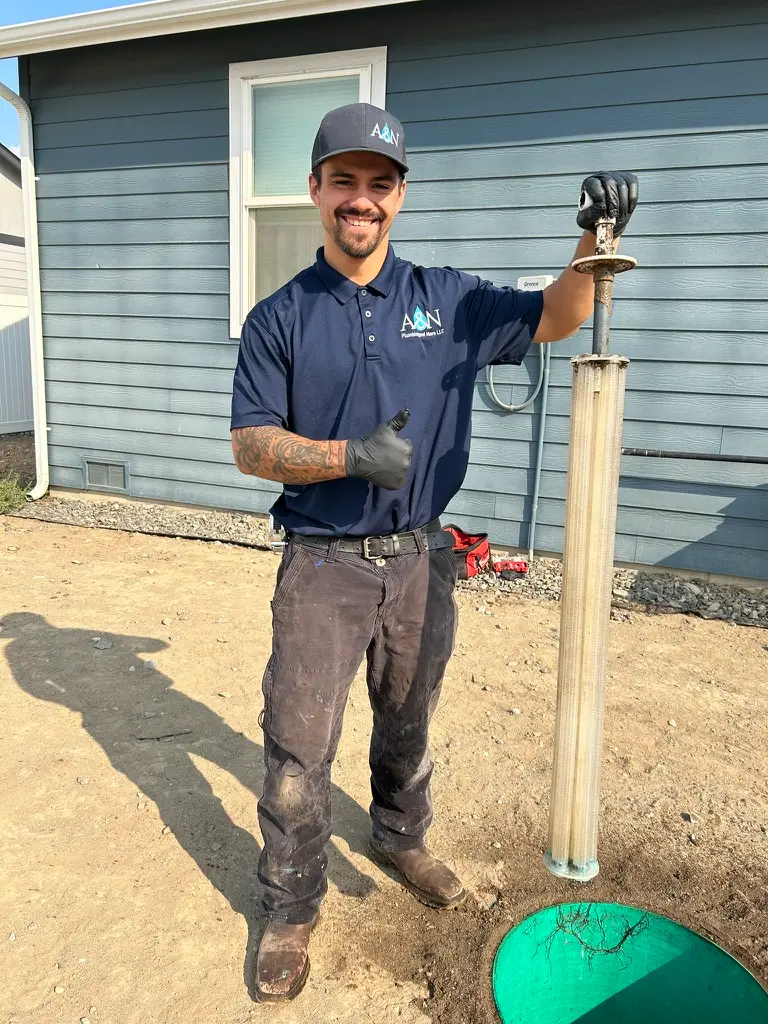
Sump pumps often stop during the wettest stretches of the year, in a heavy storm or a fast spring melt, so A&N Plumbing offers 24/7 emergency service. If your pump quits while water is rising in the pit, you can reach our team around the clock instead of waiting for Monday morning.
We’re a family-run, locally owned plumbing company that has worked in North Central Washington homes since 2015. That experience gives our team a clear sense of how basements and crawl spaces here handle groundwater, from older homes with original pits to newer builds with finished lower levels. It also means we know which setups tend to hold up through a long, wet spring.
Our approach is the same on every sump pump call. We test the whole system, find what actually failed, and recommend a repair when a repair makes sense. When replacement is the better choice, we explain why and help you pick a setup that fits your home and budget.
We provide sump pump repair, replacement, and installation across North Central Washington. Our team is based in Wenatchee and serves homes throughout Chelan, Douglas, and Grant counties.
That includes Wenatchee, East Wenatchee, Cashmere, Leavenworth, Chelan, Entiat, Quincy, and Moses Lake, along with the smaller communities in between. Not sure if you’re in our area? Check our Washington service areas or give us a call.
Most sump pump repairs take one to two hours, since they usually involve one part like a float switch or check valve. Replacing a pump in an existing pit typically takes a few hours. A new installation with a fresh pit and discharge line is a bigger job and often takes most of a day.
Sump pump repair usually costs less than a full replacement, which typically runs about $300 to $750. The final price depends on which part failed and whether the discharge line needs work. A&N Plumbing starts with a $49 diagnostic, and that fee is waived if you have us do the repair.
Most home insurance policies don’t cover water damage from a failed sump pump unless you’ve added a water backup endorsement. This add-on usually covers $5,000 to $25,000 in damage, but not the pump itself. Your insurance agent can tell you exactly what your policy includes and whether adding coverage makes sense.
You can test a sump pump by slowly pouring a bucket of water into the pit until the float rises. The pump should turn on, empty the pit, and shut off on its own. Test it every few months and again before spring snowmelt. If it struggles or stays off, have it checked.
Not every older home needs a sump pump, but many benefit from one if the basement or crawl space stays damp or has taken on water before. Older homes may also have an original pit or discharge line that no longer works well. Our guide to plumbing issues in older homes covers other common problems to watch for.
When you reach out, we’ll schedule a visit, usually as soon as the next day. A technician tests the pump, float, check valve, and discharge line, then explains what’s wrong in plain terms and gives you a price. There’s no obligation to move forward, and the diagnostic fee is waived if you do.
You’ll be working with a local team that has served homes across this region for more than a decade. Call us, book online, or send us a message, and we’ll take it from there.